••
Ghana to Host Landmark Global Reparatory Justice Conference as G7 Leaders Negotiate Iran Peace and Ukraine Support
•3 min read•17 sources
Accra is set to become the center of global diplomacy from June 17 to June 19, 2026, as Ghana hosts a high-level international conference on reparatory justice. The event, themed "Next Steps on Reparatory Justice," aims to address the historical injustices of the transatlantic slave trade and colonial exploitation. This gathering follows the landmark United Nations Resolution A/RES/80/250, supported by 123 member states, which officially recognized the trafficking and enslavement of Africans as a grave crime against humanity. Ghana’s Minister for Foreign Affairs, Samuel Okudzeto Ablakwa, has described the meeting as a consequential turning point that will bring together heads of state, scholars, and civil society from over 80 countries to establish a coordinated global framework for reparations and create specialized advisory panels.
While the conference represents a significant step toward accountability, the expected participation of French President Emmanuel Macron has sparked intense debate. Critics and activists argue that Macron’s involvement may be a form of "political theatre" aimed at rehabilitating France's image in Africa rather than a commitment to genuine change. These concerns are underscored by France’s recent abstention from the UN resolution on reparatory justice and its continued support of the CFA franc system, which many see as a colonial-era economic tool that perpetuates dependency. Skeptics suggest that without substantive reforms to economic structures and a clear move toward reparations, apologies from European powers remain hollow gestures. Despite these tensions, the conference will feature a historic joint commemoration of Juneteenth on June 19, marking a unified effort between Ghana and the United States to honor the end of enslavement.
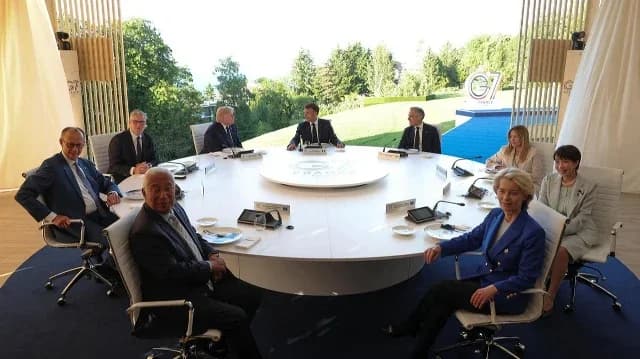
Simultaneously, the global political landscape is being shaped by the G7 summit in Évian-les-Bains, France, where world leaders are grappling with immediate security crises in the Middle East and Eastern Europe. U.S. President Donald Trump has announced a preliminary agreement with Tehran intended to end the Iran war, reopen the Strait of Hormuz, and lift economic sanctions. U.S. Vice President JD Vance indicated that the agreement, already electronically signed, may be released to the public before a formal signing ceremony in Geneva. While the deal has generated some optimism, European allies have expressed reservations regarding maritime security and the practical implementation of the accord, highlighting a fragile diplomatic balance between unilateral U.S. actions and coordinated European strategy.
The G7 discussions also centered heavily on the ongoing war in Ukraine, with President Volodymyr Zelenskyy in attendance to urge leaders for decisive action and enhanced air defense systems following renewed Russian strikes. European leaders used the summit to advocate for tighter sanctions against Russia and increased military aid for Ukraine, even as they navigated the complexities of the U.S.-led Iran negotiations. As the world watches these dual tracks of diplomacy—one focused on healing centuries-old historical wounds in Accra and the other on preventing modern global escalation in France—the outcome of these summits will likely define the international order for years to come.
This story touches markets covered on Anansi Intelligence ↗.
More from politics
Continue exploring similar stories


