••
Ghana Intensifies Galamsey Crackdown as Calls for Legal Reforms and Environmental Vigilance Grow
•3 min read•12 sources
Ghana’s battle against environmental degradation has reached a critical juncture, marked by a wave of enforcement actions, legislative proposals, and high-level political rhetoric. In the Savannah Region, authorities have seized at least 18 excavators from illegal mining sites, signaling a renewed commitment to halting the destruction of water bodies and farmlands. This physical crackdown is being mirrored in the halls of Parliament and on the political campaign trail, where leaders are advocating for more robust institutional frameworks and community-led resistance to safeguard the nation’s natural resources for future generations.
Savannah Regional Minister Salisu Be-Awuribe confirmed the confiscation of the machinery during recent operations, emphasizing that while mining remains a vital pillar of the Ghanaian economy, it must be conducted within the strict confines of the law. The minister noted that many operators continue to work without necessary permits, leading to irreparable ecological damage. Supporting a more structured approach to this crisis, Kwaku Ampratwum-Sarpong, the Member of Parliament for Mampong, has called for the formalization of the National Anti-Illegal Mining Operations Secretariat (NAIMOS) through a Legislative Instrument (L.I.). Ampratwum-Sarpong argues that a clear legal mandate is essential to insulate anti-galamsey efforts from political interference and ensure a sustainable, cross-administration response to the menace.
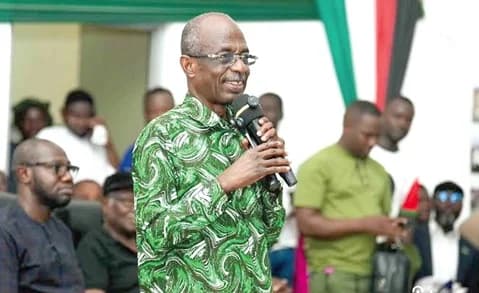
The discourse on environmental protection has also taken a grassroots turn, with Johnson Asiedu Nketiah, the National Chairman of the National Democratic Congress (NDC), urging communities to exercise "positive defiance." Addressing a gathering in Kumasi, Nketiah described local residents as the primary custodians of their land and encouraged them to resist any influences—political or foreign—that contribute to environmental ruin. Meanwhile, on the international stage, Ghana is making significant strides in climate finance. The government is nearing the issuance of forest carbon credits under the J-REDD+ programme. According to Deputy Minister for Lands and Natural Resources Yusif Sulemana, this initiative seeks to link global climate finance with sustainable agriculture, positioning Ghana as a leader in forest conservation ahead of the COP30 and COP31 summits.
Beyond environmental issues, the Ghanaian political and legal system is grappling with significant questions of accountability within state institutions. In a notable legal proceeding, the trial of former National Service Authority (NSA) Deputy Executive Director Gifty Oware-Aboagye continues. Eric Nyarko, the former Head of Accounts, recently testified regarding a controversial hire purchase scheme with the Agricultural Development Bank (ADB). Nyarko distanced himself from the data used in the scheme, revealing that investigators had raised alarms about payments allegedly being made to non-existent service personnel. The case highlights the ongoing challenges of ensuring transparency and integrity within government partnerships and social intervention programs.
Together, these developments underscore a period of heightened scrutiny over how Ghana manages its resources and public institutions. Whether through the seizure of mining equipment, the pursuit of international carbon markets, or the prosecution of alleged administrative misconduct, the common thread is a demand for stronger governance and institutional independence. As the nation moves toward upcoming elections and global climate milestones, the effectiveness of these legislative and judicial actions will be pivotal in determining Ghana’s environmental and socio-political stability.
This story touches markets covered on Anansi Intelligence ↗.
Related topic
NDC (National Democratic Congress): Latest News →More from politics
Continue exploring similar stories


