••
Ghanaian Textile Leaders Strategize on Fugu Growth while Global Athletes Eye Strategic Club Investments
•2 min read•2 sources
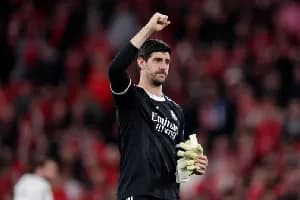
The global business landscape is witnessing a significant shift as traditional industries seek modernization while high-profile figures expand their investment portfolios into sports franchises. In Ghana, the Minister of Tourism, Culture and Creative Arts, Abla Dzifa Gomashie, and the Minister of Trade, Elizabeth Ofosu-Adjare, have initiated a strategic dialogue with indigenous smock (Fugu) producers to enhance the local value chain. This move aims to leverage the cultural significance of Fugu to drive job creation and economic growth, addressing long-standing challenges such as raw material access, financing, and distribution. Simultaneously, in the international arena, Real Madrid goalkeeper Thibaut Courtois has joined the Brazilian investment fund OutField, which has acquired a majority stake in the French football club Le Mans, highlighting the growing trend of athletes entering the sports ownership market. In the domestic sector, Ghanaian producers are calling for structured support and the promotion of Fugu in educational institutions to overcome systemic barriers. The initiative is particularly timely given the rising global interest in Ghana’s indigenous textiles, bolstered by President John Dramani Mahama’s public endorsement of the attire during state visits. The Ministry's commitment to promoting Fugu as a symbol of national identity is expected to transform the craft into a sustainable economic driver. Meanwhile, the international investment in Le Mans by OutField brings together a diverse group of high-net-worth stakeholders, including sports icons like Novak Djokovic and Felipe Massa. While Courtois remains focused on his career at Real Madrid, his involvement signals a strategic move toward long-term sports management and professional development. Under the continued presidency of Thierry Gomez, Le Mans currently holds a competitive position in the French second division, benefiting from the stability provided by this new influx of capital and strategic expertise. Both the Ghanaian textile initiative and the international sports acquisition reflect a broader economic narrative of strategic brand leveraging and sectoral formalization. Whether through the promotion of traditional craftsmanship in Accra or the professionalization of football clubs in France, these developments point to a future where culture and sports are increasingly central to economic diversification strategies. Moving forward, the success of these ventures will depend on the effective collaboration between government stakeholders, private investors, and local producers to ensure long-term market competitiveness.
This story touches markets covered on Anansi Intelligence ↗.
More from business
Continue exploring similar stories


