••
Fuel Prices Rise in Ghana as NPA Sets New Floors Amid Global Supply Concerns and Middle East Tensions
•2 min read•6 sources
The National Petroleum Authority (NPA) has officially implemented new minimum price floors for petroleum products for the first pricing window of March 2026. Effective from March 1 to March 15, the price of petrol has been set at a minimum of GH¢10.46 per litre, up from GH¢10.24, while diesel has seen an increase from GH¢11.34 to GH¢11.42 per litre. In contrast, Liquefied Petroleum Gas (LPG) has experienced a marginal reduction, falling to GH¢9.38 per kilogram from GH¢9.43. This regulatory move by the NPA is intended to ensure market stability and prevent price distortions among Oil Marketing Companies (OMCs) and LPG Marketing Companies (LPGMCs), who are now prohibited from selling below these established thresholds.
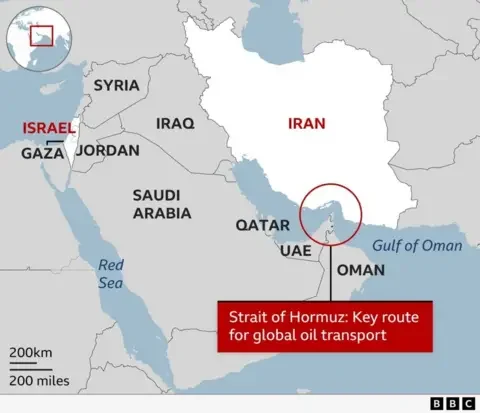
The upward adjustment in domestic fuel prices comes at a time of significant volatility in the global energy market. International crude oil prices have surged, with Brent crude recently reaching approximately $76.16 per barrel following attacks on several vessels near the Strait of Hormuz. These geopolitical tensions, involving Iran, the United States, and Israel, have raised fears of prolonged disruptions in a corridor vital for global oil transport. Analysts warn that if these conflicts persist, crude prices could escalate toward the $90 or even $100 mark. Duncan Amoah, the Executive Secretary of the Chamber of Petroleum Consumers (COPEC), noted that while Ghana currently has stock, the volatility makes future shipment costs unpredictable, especially as the nation relies heavily on private Bulk Distribution Companies and lacks strategic reserves.
Despite these external pressures, the NPA has moved to reassure the Ghanaian public regarding the security of the country’s fuel supply. Abass Ibrahim Tasunti, the NPA’s Director, confirmed that Ghana maintains robust reserves, with diesel stocks expected to last over five weeks and petrol stocks approximately 6.8 weeks. This preparedness is described as a result of routine stock management and ongoing local production rather than a purely reactive measure to the current Middle East crisis. Furthermore, the recent relative stability and appreciation of the Ghana Cedi have served as a critical buffer, helping to mitigate the full impact of rising international oil prices on the local consumer. While immediate price adjustments at the pumps are expected, the competitive landscape among OMCs may lead to varied implementation speeds across the country.
This story touches markets covered on Anansi Intelligence ↗.
Live rates
Dollar to cedi rate →More from business
Continue exploring similar stories

