••
Ghana Transforms External Debt Portfolio: Strategic Shift Toward Multilateral and Bilateral Funding
•2 min read•4 sources
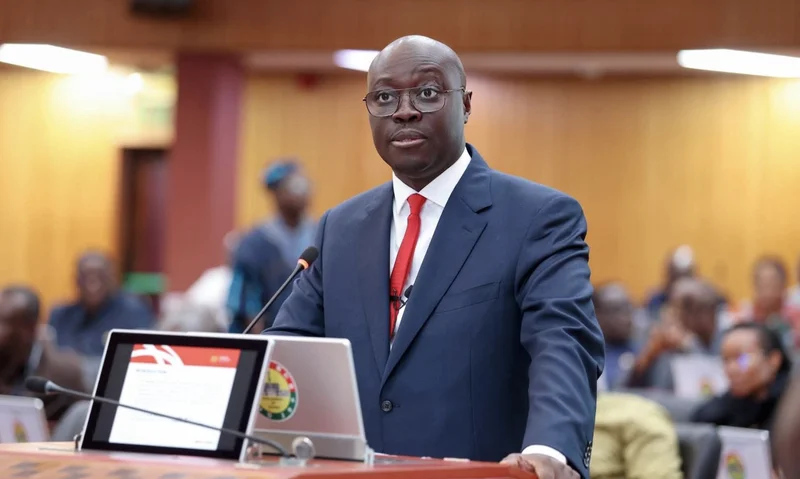
As of the third quarter of 2025, Ghana has successfully realigned its external debt portfolio, marking a significant transition from high-cost commercial loans to more sustainable, concessional funding sources. According to official data from the Bank of Ghana Statistical Bulletin, the country's total external debt stock reached approximately $29.53 billion, a moderate increase from the $28.41 billion recorded in 2022. This shift is the cornerstone of a strategic debt restructuring program aimed at minimizing interest rate risks and reducing overall debt-servicing costs to ensure long-term fiscal stability.
The most notable change in the debt structure is the surge in multilateral and bilateral financing. Multilateral debt, which includes funding from international financial institutions, rose sharply from $7.76 billion to $12.18 billion. Simultaneously, bilateral debt increased from $1.19 billion to $5.74 billion, a development largely attributed to a new agreement reached with the Official Creditor Committee. These shifts reflect the government's prioritized focus on concessional borrowing, which typically offers more favorable terms and longer repayment periods than private market alternatives.
In tandem with the rise in official lending, Ghana has significantly reduced its exposure to international capital markets and commercial creditors. Debt owed to commercial creditors fell from $3.90 billion to $2.71 billion, while Eurobond holdings saw a substantial decline from $13.10 billion to $8.90 billion. This reduction follows a successful Eurobond restructuring program completed in late 2024, which was designed to alleviate the pressure of high-interest payments and market volatility on the national budget.
This comprehensive realignment of the external debt portfolio signifies a pivotal moment in Ghana's economic recovery strategy. By replacing expensive commercial debt with more manageable official financing, the country is better positioned to maintain debt sustainability and support economic growth. Moving forward, the focus remains on adhering to these sustainable borrowing practices to protect the economy from external shocks and ensure that public debt remains on a downward, manageable trajectory.
This story touches markets covered on Anansi Intelligence ↗.
More from business
Continue exploring similar stories


