••
Ghana Defers South African President’s Visit Amid Xenophobic Tensions and Citizen Safety Concerns
•3 min read•24 sources
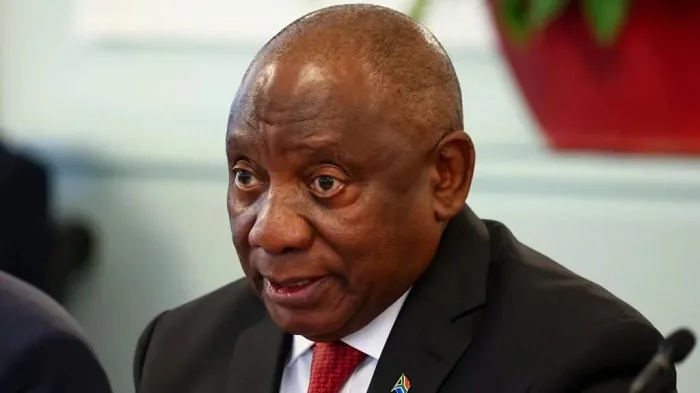
Diplomatic relations between Ghana and South Africa have reached a point of friction following the Government of Ghana’s decision to decline or postpone a planned state visit by President Cyril Ramaphosa. The tension stems from a recent wave of xenophobic violence in South Africa, which reportedly led to the death of Bashiru Isak, a 40-year-old Ghanaian national shot during anti-immigrant demonstrations in Cape Town on June 30. While Ghanaian authorities have lodged a formal protest and emphasized the need for stronger protective measures for its citizens, the South African Presidency has disputed the account of the killing and clarified that the diplomatic discussions were primarily focused on scheduling a Bi-National Commission session rather than a formal state visit.
Inside Ghana, the situation has sparked significant political debate. The Minority Caucus in Parliament, led by Deputy Ranking Member of the Foreign Affairs Committee Nana Asafo-Adjei Ayeh, has demanded greater clarity on the status of bilateral ties, arguing that the government must provide more information to allow for a proper assessment of the crisis. Government Communications Minister Felix Kwakye Ofosu has sought to de-escalate the situation, asserting that despite the repatriation of approximately 1,000 Ghanaians and the suspension of high-level visits, the fundamental relationship between the two nations remains cordial. Diplomatic experts have urged both countries to move their grievances away from social media and back into established official channels to prevent further escalation of the rift.
In tandem with these regional challenges, President John Dramani Mahama has been active in broader international engagements, hosting farewell meetings for outgoing Swiss Ambassador Simone Giger and Australian High Commissioner Berenice Owen-Jones. During these sessions, the President highlighted ongoing collaborations in the cocoa, mining, and agricultural sectors, while also noting Switzerland's critical support for Ghana’s Constitutional Review Process. Additionally, the President extended congratulations to the United States on its 250th Independence Anniversary and received credentials from the Chinese Ambassador, Cong Song, who reaffirmed China’s commitment to supporting Ghana’s socio-economic transformation through enhanced trade and cultural exchanges.
Addressing the broader continent at the Third African Union Reflection Forum on Unconstitutional Changes of Government, President Mahama emphasized that sustaining democracy in Africa requires more than the condemnation of coups. He called for African leaders to address underlying issues such as corruption, electoral mistrust, and the exclusion of the youth—who make up over 60% of the population. By fostering institutional trust and providing economic opportunities for the younger generation, Mahama argued that African nations can better insulate themselves against political instability. These diplomatic maneuvers and governance reflections underscore a period of complex foreign policy for Ghana as it balances citizen protection with historical international partnerships.
This story touches markets covered on Anansi Intelligence ↗.
Related topic
John Mahama: Latest News & Updates →More from politics
Continue exploring similar stories


