••
Ghana's Accountability Crisis: Institutions Overwhelmed as Public Trust Fades Amid Galamsey and Corruption Scandals
•3 min read•12 sources
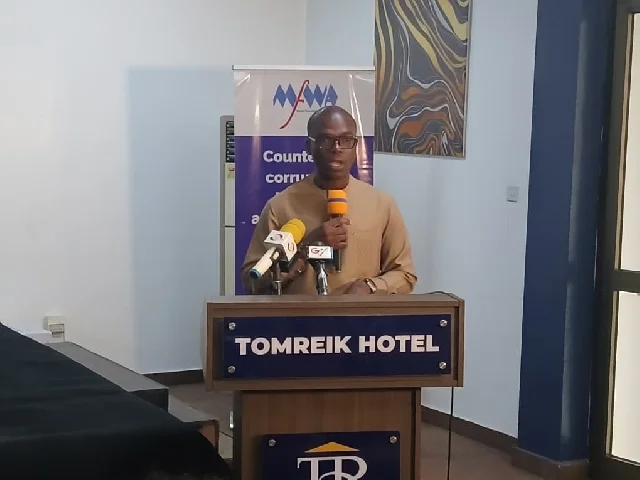
Ghana’s fight against corruption and illegal mining is currently facing a significant trust deficit, with experts and civil society organizations warning that laws and institutions alone are insufficient without public confidence. Sulemana Braimah, Executive Director of the Media Foundation for West Africa (MFWA), recently highlighted that despite substantial investments in anti-corruption frameworks, the 2025 Afrobarometer report indicates a perception of rising corruption and weakening trust. This sentiment is echoed by the Commission on Human Rights and Administrative Justice (CHRAJ), which reveals it is struggling under the weight of 10,000 annual complaints. Commissioner Dr. Joseph Whittal noted that financial constraints and the complexity of cases are severely straining the Commission’s investigative resources, making it difficult to maintain the pace required for effective public accountability.
The effectiveness of specific anti-corruption offices has also come under fire. Tsutey Yakubu of the NDC Communication Team recently questioned Special Prosecutor Kissi Agyebeng’s commitment to justice, suggesting that the office may be shielding high-profile figures like former Finance Minister Ken Ofori-Atta. Similarly, a coalition of Civil Society Organisations (CSOs), including the New Voter Forum, has raised concerns regarding the government’s "Operation Recover All Loot" (ORAL), citing alleged irregularities within the Integrated Customs Management System (ICUMS) at the nation’s ports. Amidst these criticisms, banking consultant Dr. Richmond Atuahene has expressed skepticism regarding the government’s proposal to create specialized courts for auditors, arguing that strengthening internal controls and institutional capacity would be a more efficient solution than adding more layers to the judiciary.
The environmental and legal battle against illegal mining, or galamsey, continues to be a focal point of political and social tension. In the judicial sphere, Samuel Atta Akyea, lead counsel for New Patriotic Party (NPP) Chairman Bernard Antwi-Boasiako (Chairman Wontumi), is seeking to adjourn the judgment in the Samreboi illegal mining case. Atta Akyea argues that the recent change in legal representation necessitates more time to ensure a fair trial for Wontumi, who has pleaded not guilty to charges of permitting illegal mining on his concession. This legal maneuvering occurs against a backdrop of extreme danger for those uncovering the truth; investigative journalists have described reporting on galamsey as a "death sentence in slow motion," citing harrowing encounters with armed miners and a troubling lack of protection from complicit local officials.
Beyond domestic concerns, Ghanaian leadership is also addressing regional human rights issues through international bodies. The Majority Chief Whip, Rockson-Nelson Etse Dafeamekpor, has called upon the Pan-African Parliament to adopt a resolution condemning xenophobic violence in South Africa. He emphasized that the harassment of foreign nationals and the unlawful enforcement of immigration laws by private citizens undermine African unity and the continent's moral authority on global justice. Whether dealing with internal corruption or external diplomatic challenges, the consensus from various stakeholders suggests that restoring trust through transparency, independent audits, and the protection of those who expose wrongdoing remains the most critical hurdle for Ghana’s democratic governance.
This story touches markets covered on Anansi Intelligence ↗.
Related topic
NDC (National Democratic Congress): Latest News →More from politics
Continue exploring similar stories


