••
Ghana Cabinet Finalizes 1992 Constitutional Review Position Paper as Advocacy Groups Demand Local Governance Reforms
•2 min read•21 sources
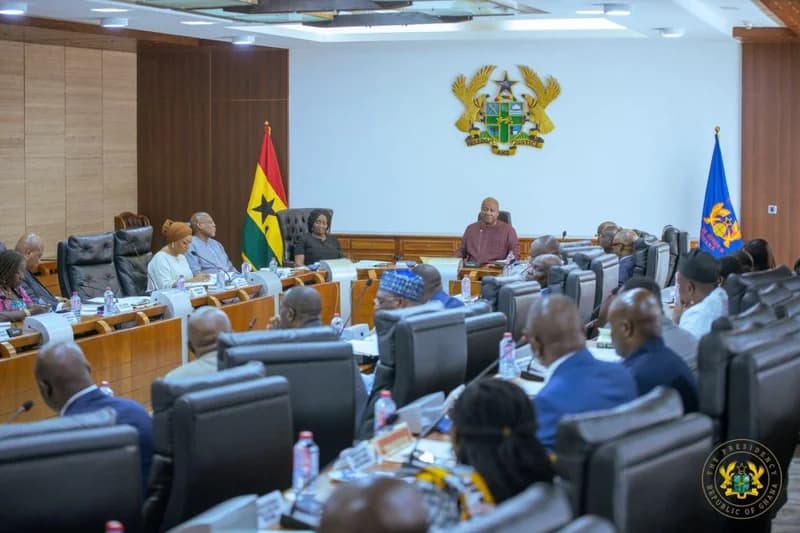
Ghana's Cabinet has concluded deliberations on the Government’s Position Paper regarding the review of the 1992 Constitution, marking a pivotal step in the nation's democratic evolution. Following a brief delay due to a national clean-up exercise, the Attorney General, Dr. Dominic Ayine, is expected to publish the paper and provide a detailed briefing next week. Key reforms under consideration include extending presidential terms from four to five years, separating the roles of ministers and Members of Parliament, and establishing an independent Emoluments Commission. Once the position paper is harmonized with the Constitutional Review Committee’s report, it will be submitted to the Implementation Committee to initiate the formal reform phase.
While the executive focuses on high-level constitutional changes, the Ghana Developing Communities Association (GDCA) and other civil society actors are pushing for deeper fiscal decentralization. Following Cabinet's approval of a new National Decentralization Policy proposing a 7.5% allocation to the District Assemblies Common Fund (DACF), the GDCA is urging the government to increase this threshold to at least 10%. The association argues that the current 5% constitutional minimum has been inadequate for three decades. They are advocating for constitutional amendments to ensure local governments have the financial autonomy to meet community needs, alongside the non-partisan election of Metropolitan, Municipal, and District Chief Executives (MMDCEs).
Simultaneously, urgency is mounting for the Cabinet to approve the revised Persons with Disabilities Bill, 2026. Disability rights organizations, representing over 2.1 million citizens, emphasize that the current 2006 Act fails to meet international human rights standards. The proposed bill aims to introduce enforceable accessibility standards and stronger protections against discrimination. Advocates highlight that systemic barriers in education, healthcare, and employment persist, making the swift passage of this legislation essential for the dignity and justice of all Ghanaians.
Completing the broader governance agenda, Vice President Professor Jane Naana Opoku-Agyemang has called for intensified public education on law enforcement to build trust between security agencies and the populace. This push for transparency is echoed by the Ghana Anti-Corruption Coalition (GACC), which recently reached over 23,000 students across 40 districts with its integrity-focused outreach. By instilling values of accountability and 'the three Rs'—Refuse, Reject, Report—among the youth, these combined efforts aim to ensure that Ghana’s structural reforms are supported by a robust culture of integrity and rule of law.
This story touches markets covered on Anansi Intelligence ↗.
More from politics
Continue exploring similar stories


