••
24-Hour Economy Secretariat and Bank of Ghana Partner to Align Policy with National Macroeconomic Framework
•2 min read•12 sources
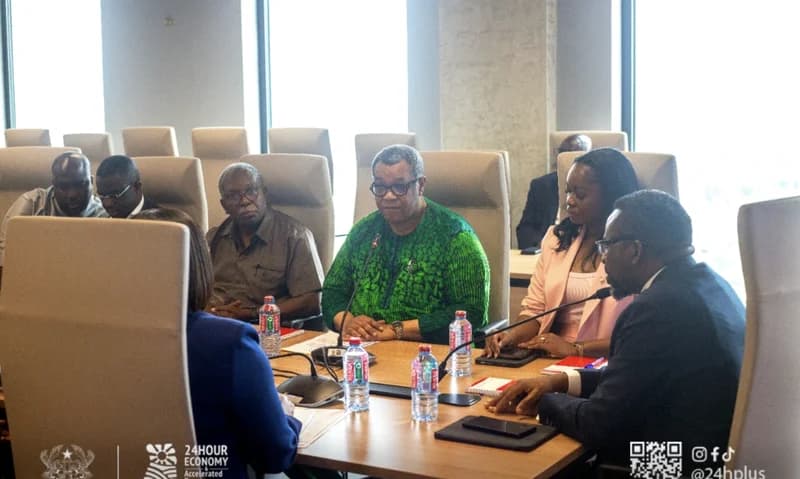
The 24-Hour Economy Secretariat has held a high-level consultative meeting with the Bank of Ghana (BoG) to integrate its flagship policy into the nation’s broader macroeconomic framework. This strategic engagement marks a critical step in ongoing consultations aimed at refining the 24-hour economy initiative, ensuring it aligns with the central bank’s stability objectives. The meeting focused on sharing policy details, gathering institutional feedback, and establishing strategic partnerships to ensure the initiative's successful implementation across various sectors of the Ghanaian economy.
During the session, Presidential Advisor Mr. Goosie Tanoh emphasized the necessity of building a resilient economy capable of sustaining long-term growth and global competitiveness. He commended the Bank of Ghana for its efforts in maintaining macroeconomic stability, which he described as a vital prerequisite for the 24-hour economy to thrive. The dialogue highlighted how the initiative could leverage existing financial stability to increase industrial productivity, create sustainable jobs, and enhance the overall efficiency of the Ghanaian market through round-the-clock operations.
A central pillar of the discussions was the proposed establishment of a Food Security and Price Stabilisation Fund. This initiative is designed to mitigate the impact of commodity price volatility and curb food inflation, which remains a significant driver of national economic pressure. By stabilizing food prices, the Secretariat aims to protect the purchasing power of citizens and provide a more predictable environment for businesses involved in the agricultural and food processing value chains.
Furthermore, the Secretariat and the BoG explored the development of a specialized "24H+ credit policy" and enhanced financial frameworks. These proposals include credit insurance schemes and improved collateral systems specifically tailored for enterprises operating on a 24-hour basis. The meeting also addressed the role of digital platforms in streamlining SME lending and expanding access to finance. These collaborations are expected to lead to strategic regulatory initiatives that will bolster Ghana’s financial infrastructure, providing the necessary support for local companies to scale their operations and contribute to a more dynamic, 24-hour economic landscape.
This story touches markets covered on Anansi Intelligence ↗.
More from business
Continue exploring similar stories


