••
Ghana Navigates Major Constitutional and Legislative Reforms Amid Supreme Court Challenges to Presidential Term Limits
•3 min read•13 sources
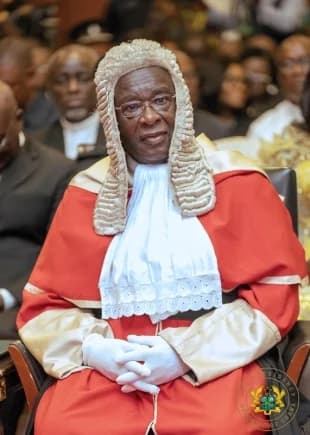
The government of Ghana is entering a pivotal phase of governance as the Cabinet nears the finalization of its Position Paper on the review of the 1992 Constitution. Following a brief delay due to a National Clean-Up exercise, Cabinet is set to approve a series of proposed amendments aimed at modernizing the nation's legal framework. Once approved, Attorney-General Dr. Dominic Ayine is expected to harmonize these positions with the Constitutional Review Committee’s report. Significant proposals under consideration include extending presidential terms from four to five years, decoupling the roles of Ministers of State from Members of Parliament, establishing an independent Emoluments Commission, and reforming the appointment process for Metropolitan, Municipal, and District Chief Executives (MMDCEs).
Concurrent with these executive discussions, the judicial branch is facing a high-stakes interpretation of presidential eligibility. Two individuals, Ganiwu Alhassan and Kenneth Kwabena Agyei Kuranchie, have filed separate suits at the Supreme Court seeking clarification on Article 66(2) of the 1992 Constitution. The plaintiffs are challenging the current two-term limit, specifically questioning whether it applies to non-consecutive terms. Alhassan argues that serving two separate terms should not bar future candidacy, while Kuranchie contends that a break of at least one four-year electoral cycle should reset a candidate's eligibility. The Attorney-General has been given 14 days to respond to these filings, which could have profound implications for the 2024 general elections and beyond.
On the legislative front, there is growing pressure from civil society for the Cabinet to expedite the approval of the revised Persons with Disabilities Bill, 2026. Leading advocacy groups, including the Ghana National Association of the Deaf and the Inclusive Family Alliance, have highlighted that more than 2.1 million citizens continue to face systemic barriers in education, healthcare, and employment. The revised bill aims to align national laws with international human rights standards and introduce enforceable accessibility requirements. Activists emphasize that while the 2006 Persons with Disabilities Act was a step forward, it lacks the robust enforcement mechanisms necessary to protect the dignity and rights of individuals living with disabilities in Ghana.
In a separate legal development that underscores the complexities of traditional governance, the Sra Langmasi Royals have called for Chief Justice Paul Baffoe-Bonnie to recuse himself from an ongoing chieftaincy dispute in Yilo Krobo. The appeal, voiced by spokesperson Dawutey Noah Tetteh, stems from concerns over public confidence in the judicial process regarding the legitimacy of the Paramount Chief, Nene Oklepemeh Nuer Anorbah Sasraku II. As Ghana balances these constitutional, legislative, and traditional challenges, the outcomes of the Cabinet's review and the Supreme Court’s interpretation will likely define the country’s political landscape for the coming decade.
This story touches markets covered on Anansi Intelligence ↗.
More from politics
Continue exploring similar stories


