••
Ghana’s 2026 Festival Season Highlights Cultural Heritage While Addressing Urgent Socio-Economic Challenges
•3 min read•13 sources
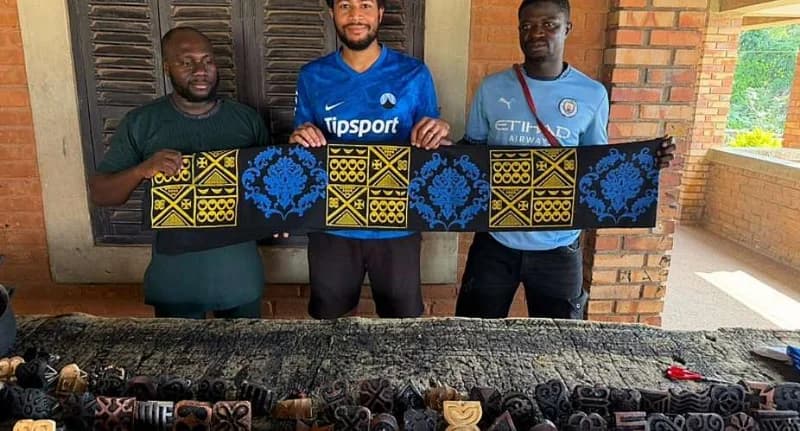
Across Ghana, the month of April 2026 has been defined by a vibrant fusion of cultural celebration and urgent social advocacy. From the inaugural Zongo Festival in the Upper West Region to the long-standing Apetorku Gbodzi Festival in the Volta Region, these gatherings are transcending traditional boundaries to become vital forums for community development and national dialogue. While communities showcased the richness of their textile heritage and artistic talent, leaders and activists utilized the massive crowds to address pressing concerns ranging from drug trafficking and infrastructure deficits to the economic prospects of the youth.
In the Akatsi South Municipality, the 2026 Apetorku Gbodzi Festival officially opened in Dagbamete on April 4, emphasizing the theme of leveraging traditional resources for sustainable development. The festivities, which drew significant attention from regional ministers and traditional leaders like the Awoamefia of the Anlo State, were coupled with tangible economic milestones. These included the commissioning of a block manufacturing factory aimed at boosting local construction and the operation of a Vocational Training Centre currently equipping participants with skills in dressmaking and hairdressing. However, amidst the drumming and dancing, spokespeople for the Apetorku Shrine issued firm calls for the government to improve road infrastructure, which remains a critical bottleneck for the region’s economic growth.
Simultaneously, the maiden Upper West Zongo Festival in Wa focused a spotlight on the alarming rise of substance abuse among Zongo youth. Community leaders, including spokesperson Abdallah Dan Hasan, used the cultural platform to urge security agencies to intensify the fight against drug trafficking, specifically targeting the spread of tramadol. Meanwhile, the Gomoa Easter Carnival in the Central Region blended fashion and music with social commentary. During the event, which featured a fashion runway show led by Gomoa Central MP Kwame Asare Obeng (A-Plus) and media personality Abeiku Santana, dancehall star Shatta Wale advocated for youth employment, linking the rise in cybercrime to a lack of legitimate job opportunities.
The surge in activity extended to the coastal communities of Keta and Anloga, where an Easter tourism rush overwhelmed local hospitality services. Notably, the Beverly View Plus Hotel in Tegbi became a hub for visitors, though the influx underscored a critical need for improved sanitation and accommodation infrastructure to sustain the region's growing tourism profile. Beyond domestic borders, Ghana’s cultural diplomacy is set to reach Japan, with Homeda Kente & Adinkra Palace preparing to represent the nation at the AFF Osaka 2026 Spring and Asia Fashion Fair. This initiative, supported by the Ghana Mission in Tokyo, aims to boost textile exports and showcase Kente and Adinkra symbolism to a global audience.
Collectively, these events underscore the evolving role of festivals in modern Ghana. Beyond the preservation of heritage, they have become essential catalysts for regional integration and socio-economic transformation. Whether through the calls for discipline and safety in Wa or the drive for vocational training and industrialization in Dagbamete, the 2026 festival season reflects a nation using its cultural identity as a foundation for addressing 21st-century challenges. As these celebrations conclude, the focus shifts to the government and private sector to fulfill the infrastructure and policy demands raised by the participating communities.
This story touches markets covered on Anansi Intelligence ↗.
Related topic
Shatta Wale: Latest News & Updates →More from africa
Continue exploring similar stories


