••
GCB Bank, Ghana Education Service, and OMJ Foundation Launch Major Initiatives to Support Infrastructure and Careers
•2 min read•3 sources
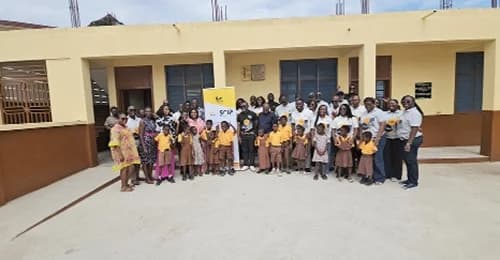
Ghana's education sector is witnessing a multifaceted wave of support, ranging from critical infrastructure improvements and student scholarships to professional advancement opportunities for staff. In a significant move toward improving early childhood learning environments, employees of GCB Bank PLC’s People & Culture Department have successfully refurbished the nursery block at the Oblogo M/A Basic School in Weija-Gbawe. This project, which addressed hazardous damaged floors and inadequate storage facilities, is part of the bank’s broader 2026 Staff Community Impact Programme (SCIP). The initiative aims to execute 95 community projects across the country, with the Oblogo refurbishment marking the 13th milestone in their journey to impact one million Ghanaians.
Parallel to these infrastructure gains, the Ghana Education Service (GES) has announced the opening of promotion applications for eligible non-teaching staff. From September 14 to September 28, 2026, serving members including accountants, administrative officers, and technical personnel can apply for advancement to higher grades. To qualify, applicants must have held their current positions since 2022 and maintain a satisfactory work record. The GES has modernized this process by requiring all applications and supporting documents, including special provisions for those with Master's or PhD qualifications, to be submitted through their online portal, ensuring a streamlined approach to career progression within the service.
In the Eastern Region, the OMJ Foundation has further bolstered student access by fulfilling a major scholarship promise to learners in Akuapem South. Osei Mensah Joseph, the foundation’s CEO, presented scholarships and essential school supplies to 12 students through the Basic Education Certificate Examination Preparation Intervention Project (BECEPIP). The program is designed to facilitate a smooth transition for high-performing learners moving into Senior High School. During the presentation, Joseph emphasized that while the foundation provides financial and material support, the sustained academic success of the beneficiaries also relies heavily on parental guidance and personal discipline.
These collective efforts from the corporate sector, government agencies, and private foundations highlight a comprehensive approach to educational reform in Ghana. By simultaneously addressing the physical safety of classrooms, the professional motivation of non-teaching personnel, and the financial hurdles faced by transitioning students, these stakeholders are creating a more resilient educational framework. As GCB Bank continues toward its target of 95 projects and the GES processes its latest round of promotions, the focus remains on ensuring that both the providers and recipients of education are well-equipped for the future.
Related topic
Ghana Education Service (GES): Latest News Today →

