••
Finance Minister to Present 2026 Mid-Year Budget Review Amid Revenue Shortfalls and Debt Concerns
•3 min read•23 sources
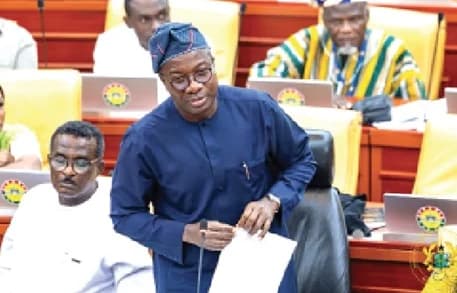
The Minister of Finance is scheduled to present the Mid-Year Review of the 2026 Budget Statement and Economic Policy to Parliament on Thursday, July 23. This critical assessment comes at a time when the government is facing intense scrutiny over fiscal management and revenue performance. Majority Leader Mahama Ayariga has emphasized the importance of the upcoming session, which includes an additional sitting on Saturday, July 25, to address a significant legislative backlog of 486 referrals pending before various parliamentary committees. The subsequent debate on the budget review is expected to commence on Friday, July 24, and conclude the following Monday.
Ahead of the presentation, Dr. Gideon Boako, the Deputy Ranking Member on Parliament’s Finance Committee, has raised alarms over persistent revenue shortfalls that have characterized the first quarter of 2026. According to Dr. Boako, revenue fell short of targets by 4.5%, a trend that forced the government to slash expenditure by 29% during the same period. He noted that similar patterns were observed in 2025, where a 2.2% revenue miss led to a 13% cut in spending. The Minority argues that these cuts have severely impacted capital investments and critical national programs, reflecting a worrying reliance on austerity measures rather than effective revenue mobilization.
Concerns have also been raised regarding the government’s rapid return to the debt market following Ghana’s exit from the International Monetary Fund (IMF) program. Dr. Boako criticized the decision to secure a US$300 million World Bank loan for the Secondary Education Transformation project, suggesting it underscores a failure to generate sufficient domestic revenue. However, Finance Committee Chairman Isaac Adongo defended the loan, clarifying that the funds are specifically earmarked for improving secondary education infrastructure and eliminating the double-track system, rather than direct financing for the Free SHS program. The government is expected to contribute an additional US$23 million to ensure the project’s implementation.
Parallel to these parliamentary developments, the Bank of Ghana’s Monetary Policy Committee (MPC) is set to meet to evaluate rising inflation risks, liquidity conditions, and global oil market volatility. Governor Dr. Johnson Pandit Asiama highlighted the need to maintain economic stability and align market rates with policy rates despite global uncertainties. Concurrently, the Minister of Finance, Dr. Cassiel Ato Baah Forson, has urged the Ghana Statistical Service (GSS) to prioritize the rebasing of the country’s GDP and Consumer Price Index data. He emphasized that accurate, updated data is essential for effective economic planning and job creation, noting that the national GDP has not been rebased since 2016.
As the Finance Minister prepares to take the floor on Thursday, the focus remains on whether the government can present a sustainable path toward revenue growth. The Minority continues to push for a shift away from excessive borrowing and expenditure cuts toward more robust domestic collection strategies. With 25 oral questions slated for response from four ministers during the budget week, the proceedings are expected to provide a comprehensive look into the administration’s strategy for navigating the fiscal challenges of the second half of the year.
This story touches markets covered on Anansi Intelligence ↗.
Live rates
Bank of Ghana policy rate →More from politics
Continue exploring similar stories


