••
EU Bans Sudanese Gold as Middle East Tensions Spike Following US-Iran Maritime Clashes
•3 min read•17 sources
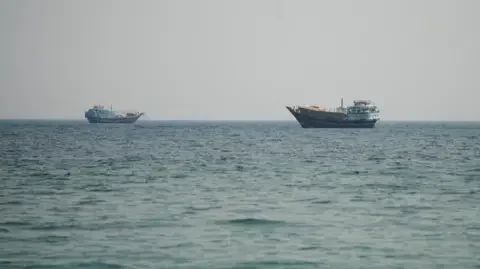
The international community is intensifying both economic and military pressure to contain escalating regional conflicts across Africa and the Middle East. In a significant move to defund the ongoing civil war in Sudan, the European Union has enacted a comprehensive ban on the purchase, import, and transfer of Sudanese gold. Simultaneously, a dangerous security crisis has erupted in the Strait of Hormuz, where a third consecutive night of United States airstrikes against Iranian military infrastructure coincided with Iranian missile attacks on United Arab Emirates (UAE) oil tankers, resulting in casualties and a collapse of previous ceasefire agreements.
The EU's sanctions against Sudan target the primary revenue source for the warring Sudanese army and the paramilitary Rapid Support Forces (RSF), whose conflict since April 2023 has displaced over 14 million people and left 28 million facing acute hunger. Beyond the gold ban, the EU has prohibited the export of essential mining chemicals like mercury and cyanide to the region. However, experts from GBC Ghana and other sources warn that the effectiveness of these measures remains under threat from rampant smuggling, with estimates suggesting that between 50% and 80% of Sudan's gold is trafficked illegally through neighboring countries. The EU maintains that these economic restrictions are vital steps toward dismantling the financial infrastructure of a war that has entered its fourth year and is currently exacerbated by a severe cholera outbreak.
In the Middle East, the regional security landscape has shifted dramatically following Iranian cruise missile strikes on two UAE tankers, which left at least one crew member dead and eight others injured. The UAE government condemned the "brazen" attack, while the U.S. responded with intensified strikes on Iranian coastal defenses and drone sites in Bushehr, Chabahar, and Bandar Abbas. These hostilities have significantly disrupted maritime traffic in one of the world's most critical shipping lanes, leading to a surge in global oil prices and increased war risk premiums for the shipping industry. The Islamic Revolutionary Guard Corps has claimed responsibility for the tanker attacks, signaling a hardline stance against foreign intervention in the strait.
Adding a layer of diplomatic volatility, U.S. President Donald Trump initially announced a naval blockade of Iranian ports and proposed a controversial 20% toll on cargo passing through the Strait of Hormuz. While this proposal faced immediate rejection from the International Maritime Organization and Iranian officials, the President later reversed the toll threat, opting instead to seek "trade and investment deals" with Gulf states. This shift comes as the interim U.S.-Iran ceasefire collapses, with both nations signaling a readiness for further military engagement despite a stated openness to future negotiations. Analysts suggest the reversal reflects a pivot toward using regional alliances to manage the crisis rather than unilateral shipping levies.
The convergence of these crises underscores a global trend of using economic leverage—such as gold bans and port blockades—alongside traditional military force to address regional instability. As humanitarian conditions in Sudan worsen and maritime security in the Gulf remains precarious, the success of these international interventions will depend on broader enforcement and a genuine commitment to peace negotiations. For now, the dual pressures on Sudan’s mineral wealth and Iran’s maritime reach represent a high-stakes attempt by global powers to restore order through financial and strategic isolation.
This story touches markets covered on Anansi Intelligence ↗.
Live rates
Ghana gold price →More from politics
Continue exploring similar stories


