••
Minister Eric Opoku Spearheads National Food Security Drive with MP Poultry Initiative and Tomato Import Bans
•2 min read•8 sources
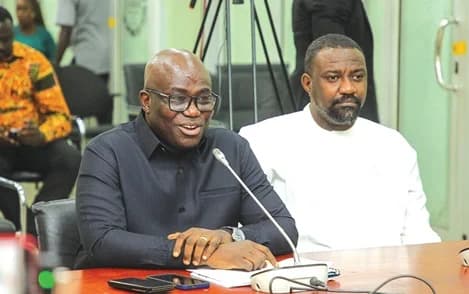
The Minister of Food and Agriculture, Eric Opoku, has unveiled a series of ambitious government interventions aimed at transforming Ghana's agricultural landscape and achieving food self-sufficiency. Central to this strategy is a four-month target to end tomato imports and the launch of the "Nkoko Nkitinkiti" initiative, which encourages Members of Parliament (MPs) to lead by example in poultry farming. These efforts are part of the broader Feed Ghana Programme, designed to reduce the nation's reliance on imported food products while stimulating rural economies through direct investment and infrastructure development.
Under the "Nkoko Nkitinkiti" scheme, the Ministry plans to distribute poultry birds to interested MPs, leveraging the fact that approximately 67% of Ghana’s lawmakers are already engaged in some form of farming. Minister Opoku, a poultry farmer himself, emphasized the profitability of the sector and its potential for providing sustainable post-retirement income. The initiative aims to bolster domestic poultry production, which has already seen early gains in egg and meat output, contributing to national food security and significant job creation in rural areas. Parliament's Assurances Committee has expressed support for the program, noting its potential for broad economic impact.
Simultaneously, the government is tackling the vegetable sector with a pledge that tomato imports will be eliminated within four months through enhanced local production. This goal is supported by critical investments in irrigation infrastructure, including solar-powered boreholes to facilitate year-round cultivation in major production hubs. To bridge the gap between policy and field implementation, the Ministry has deployed the first batch of 506 "Feed Ghana Brigadiers." These personnel, trained in discipline and teamwork at the Police Training School and equipped with motorbikes, will serve as the vital link between national policies and local agribusinesses, ensuring farmers receive necessary logistical support.
Despite these advancements, the Ministry faces challenges regarding the equitable distribution of resources. Mr. Abu K Kansangbata, a former Deputy Upper West Regional Minister, has criticized the current method of distributing free fertilizer, alleging that the process favors National Democratic Congress (NDC) executives over the actual farmers in need. As the government continues its plan to provide free fertilizer and explore long-term agro-processing strategies to stabilize farmers' incomes, stakeholders are calling for revised distribution strategies to ensure that the agricultural agenda benefits all citizens and maintains its role as a pillar of the national economy.
This story touches markets covered on Anansi Intelligence ↗.
Related topic
NDC (National Democratic Congress): Latest News →More from politics
Continue exploring similar stories


