••
China Expands Duty-Free Access for African Nations Amid Growing Pushes for Financial Sovereignty and Regional Compliance
•2 min read•5 sources
In a significant shift in international trade relations, China has announced the removal of tariffs for 53 African countries, a policy intended to solidify its position as the continent's primary economic partner. The initiative, which is set to remain in effect until April 30, 2028, expands a previous duty-free program that originally only included 33 least-developed nations. However, the Kingdom of Eswatini remains the sole African nation excluded from this agreement, a move analysts interpret as a political maneuver due to its ongoing diplomatic ties with Taiwan. While the zero-tariff policy is expected to provide a boost to African agricultural exports by improving market access, experts warn that it may not be enough to bridge the widening trade gap. Last year alone, Africa's trade deficit with China reportedly surged by 65%, reaching approximately $102 billion, highlighting the structural economic challenges that persist despite reduced trade barriers.
Parallel to these trade developments, the Africa Finance Corporation (AFC) is intensifying its call for the continent to strengthen its financial sovereignty by leveraging domestic capital. Mohammed Abdul-Razaq, Senior Vice President at the AFC, has emphasized that trillions of dollars currently held in African pension funds and sovereign wealth should be redirected toward critical infrastructure projects. By focusing on three strategic pillars—de-risking investments, standardizing project structures, and advocating for regulatory reforms—the AFC aims to build resilient, liquid capital markets that reduce the continent's historical reliance on external financing and its associated conditionalities. This push for domestic mobilization is seen as essential for creating sustainable, long-term growth that is independent of shifting global political landscapes.
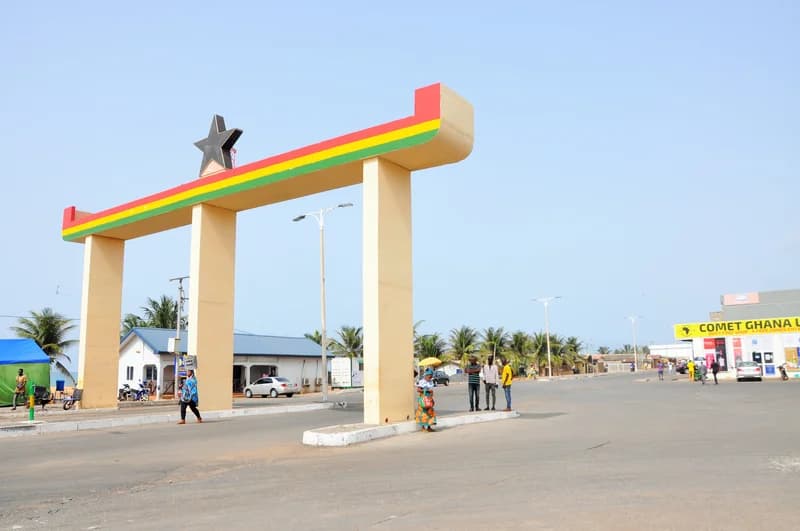
On a regional level, administrative and safety regulations are also evolving, with Togo recently introducing a new system of fixed penalties for traffic offenses to enhance road safety. The Ghanaian Ministry of Foreign Affairs has issued an advisory to travelers and cross-border drivers to adhere strictly to these local laws, which include fines ranging from 6,000 to 25,000 CFA. Specific penalties include 10,000 CFA for driving under the influence and 25,000 CFA for operating a vehicle without a valid inspection certificate. These measures, along with the broader economic shifts across the continent, reflect a dual focus on strengthening internal governance and safety while navigating complex international trade and financial partnerships.
This story touches markets covered on Anansi Intelligence ↗.
More from africa
Continue exploring similar stories


