••
Ghana Strengthens Financial Infrastructure: BoG Tightens Credit Reporting as World Bank Lauds Regional Leadership
•2 min read•6 sources
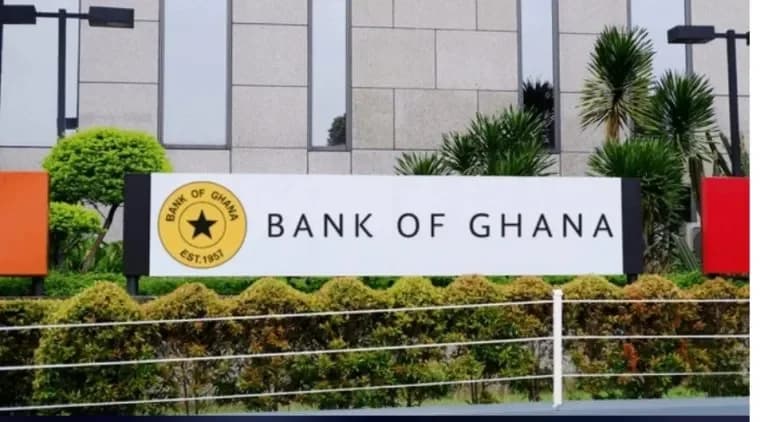
The Bank of Ghana (BoG) has issued a directive mandating all institutions involved in credit activities to submit data on individuals and businesses to licensed credit bureaus, effective February 5, 2026. This move, rooted in the Credit Reporting Act 2007 (Act 726), aims to enhance the Credit Reporting System (CRS) by broadening participation beyond traditional banks to include telecommunication companies, utility firms, and FinTechs. Under the new requirements, eligible participants must submit credit information within 72 hours of establishing a credit agreement and are required to obtain credit reports on prospective clients before extending credit. By utilizing the services of licensed bureaus—such as XDS Data Ghana Limited, Dun & Bradstreet Credit Bureau Limited, and HudsonPrice Data Solutions—the BoG expects to improve credit risk assessments and significantly reduce non-performing loans.
This regulatory push aligns with Ghana’s emergence as a regional leader in financial readiness, as highlighted in the World Bank’s B-Ready 2025 report. According to the assessment, Ghana achieved a 72% score in financial services, surpassing many of its sub-Saharan African peers. The country specifically excelled in its regulatory frameworks, scoring 69, and ranked in the top 20% globally for labor performance with a score of 71. The report noted that Ghana’s regulations regarding secured transactions and electronic payments are particularly robust, providing a solid foundation for the Bank of Ghana’s recent data-sharing mandates.
Despite these regulatory successes, both the World Bank and local authorities identify a critical 'delivery gap' between policy and practice. While Ghana’s regulatory framework is strong, its operational efficiency score stands at 52, with public services at 50 and market competition at a low 34. World Bank representative Robert Taliercio noted that these efficiency gaps can impact investor confidence, emphasizing the need for streamlined processes and better transparency. The BoG’s latest directive is seen as a practical step toward closing these gaps by enforcing real-time data compliance and improving the speed of credit delivery.
Looking ahead, the integration of programs like the Trusted Trader initiative is expected to further enhance trade efficiency and economic performance. By combining strong regulatory oversight with improved operational speed, Ghana aims to solidify its position as a financial hub in West Africa. The success of the Credit Reporting System will depend on the consistent compliance of non-financial institutions, which is expected to lower the cost of credit for consumers and provide a more stable environment for both local and international investors.
This story touches markets covered on Anansi Intelligence ↗.
More from business
Continue exploring similar stories


