••
Governance and Accountability: Bia East Leads Performance Rankings as Roads Minister Demands Action on Delayed Infrastructure
•3 min read•13 sources
Ghana’s governance landscape is seeing a significant shift toward transparency and accountability, highlighted by the Bia East District Assembly’s emergence as the top performer in the 2025 Public Financial Management (PFM) Compliance League Table. Announced in Accra, the results show a remarkable national improvement in local governance standards, with the average compliance score for Metropolitan, Municipal, and District Assemblies (MMDAs) jumping from 33% in 2024 to 56.2% in 2025. While Bia East took the top spot, the Nkwanta South and Asokwa assemblies followed closely. Despite these gains, officials noted that weak compliance in external audits and records management remains a critical hurdle for many of the 261 assessed assemblies.
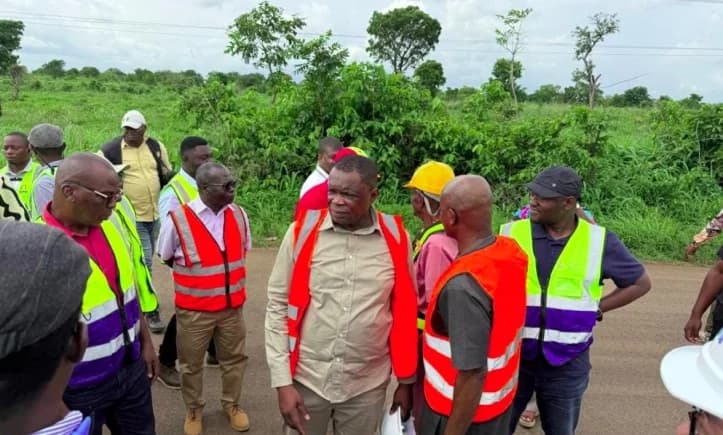
Simultaneously, the Ministry of Roads and Highways has intensified its oversight of infrastructure projects, with Minister Kwame Governs Agbodza issuing stern warnings to non-performing contractors. During an inspection of the 56-kilometre Have-Hohoe road—a project under the 'Big Push' initiative—Agbodza threatened to terminate the contract of Greenhouse Development International. The project currently stands at only 13% completion against a 20% target. The Minister criticized the contractor for a lack of equipment and poor working conditions, while the firm’s management attributed the delays to logistical challenges and pledged to increase resources to meet upcoming deadlines.
Minister Agbodza also directed sharp criticism toward Oti Regional Minister John Kwadwo Gyapong and local assembly officials for failing to report contractors who have abandoned or delayed projects. Agbodza emphasized that the silence of regional authorities undermines national development and prevents the government from taking necessary legal or administrative action against non-compliant firms. In response, regional officials cited 'false assurances' from contractors, who often claimed that necessary equipment was in transit to justify delays. This push for accountability aligns with public sentiment, as evidenced by recent open letters urging the presidency to prioritize road infrastructure and ensure the prompt release of development funds.
In the realm of environmental governance, traditional authorities are taking a firmer stand against the illegal encroachment of state-protected lands. The Nungua Mantse, Oboade Notse King Professor Odaifio Welentsi III, recently reaffirmed his commitment to protecting the Sakumo Ramsar Site, categorically denying any involvement in the unauthorized sale of land within the reserve. In collaboration with the Forestry Commission, the traditional council is seeking to strengthen conservation efforts for the wetland, which is vital for biodiversity and flood mitigation. These combined developments across financial management, infrastructure, and environmental protection signal a growing cross-sectoral demand for adherence to the law and better service delivery for the Ghanaian people.
This story touches markets covered on Anansi Intelligence ↗.
More from politics
Continue exploring similar stories


