••
Speaker Bagbin Advances Constitution Amendment Bill as Electoral Commission Staff Demand Governance Reforms
•2 min read•5 sources
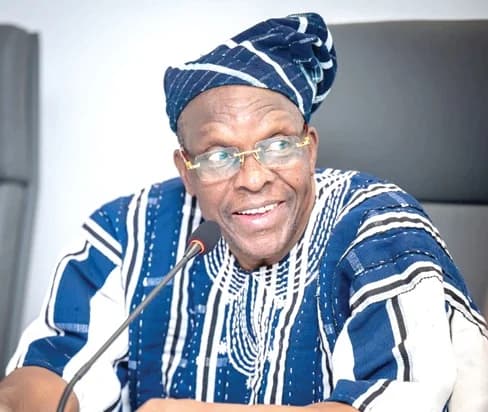
In a significant week for Ghanaian institutional governance, Speaker of Parliament Alban Bagbin has referred the Constitution of the Republic of Ghana Bill, 2025, to the Committee on Constitutional and Legal Affairs. This legislative move coincides with a period of internal pressure for the Electoral Commission (EC), where the Staff Union is calling for sweeping reforms to restore transparency and collective decision-making. Both developments highlight an intensifying national focus on refining the legal frameworks governing public office and ensuring the integrity of the country’s democratic institutions.
The Staff Union of the Electoral Commission, led by Chairman Richard Agorkor, has petitioned Chairperson Jean Mensa to address what they describe as a need for urgent governance shifts. The union’s demands include the restoration of regular Commission meetings to ensure constitutional governance and the decentralization of authority. Specifically, the union has called for the suspension of the ongoing recruitment for a Director of Finance until proper board approvals are secured. By advocating for the appointment of qualified permanent staff and the protection of the Commission's independence, the union aims to bolster the credibility of the institution ahead of upcoming electoral tasks.
On the legislative front, the Constitution Amendment Bill—which aims to revise citizenship-based qualifications for public office—faces a complex path forward. Although the bill enjoyed support during the Eighth Parliament and passed its second reading before the parliament's dissolution in January 2025, the Council of State has recently issued an advisory opinion against its passage. Speaker Bagbin emphasized that while the Council's advice is not legally binding, it remains a critical component of the legislative process. The bill, reintroduced by MP Kennedy Osei Nyarko and supported by the Attorney-General, will now undergo further scrutiny by the Committee on Constitutional and Legal Affairs to reconcile the Council’s concerns with the proposed reforms.
Complementing these shifts in high-level governance, the Ministry of Local Government, Chieftaincy and Religious Affairs has initiated a program to enhance national administrative oversight. Minister Ahmed Ibrahim informed Parliament’s Committee on Assurances that a multi-sectoral committee has been formed to establish a comprehensive national database of religious sites and shrines. This initiative aims to provide a clear definition and count of such sites, collaborating with regional councils to ensure better structured religious administration. Together, these legislative and administrative efforts underscore a broader push for accountability and modernization across Ghana’s political and social landscape.
This story touches markets covered on Anansi Intelligence ↗.
More from politics
Continue exploring similar stories


