••
Nana Agyei Baffour Awuah Rejects GARID Fund Diversion Claims as World Bank Links Delays to Fiscal Controls
•2 min read•11 sources
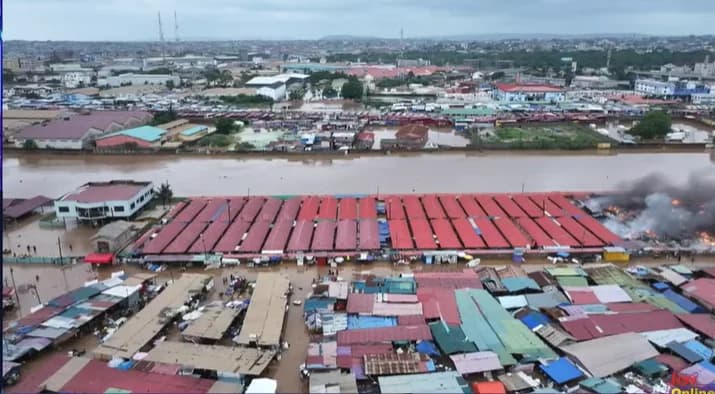
Nana Agyei Baffour Awuah, the Member of Parliament for Manhyia South, has strongly refuted allegations that funds from the Greater Accra Resilient and Integrated Development (GARID) Project were misapplied or diverted. The controversy centers on claims made by Dr. Cassiel Ato Forson that approximately US$65 million intended for flood mitigation was redirected toward COVID-19 expenditures under the New Patriotic Party (NPP) administration. However, Awuah and other government proponents argue that recent World Bank assessments do not support these claims of misappropriation, asserting that the project's difficulties stem from administrative fiscal restrictions rather than financial malfeasance.
The debate has intensified following a World Bank update which downgraded the GARID project's implementation rating from "Moderately Satisfactory" to "Moderately Unsatisfactory." While the opposition National Democratic Congress (NDC) has characterized this as a failure of oversight and resource diversion, Kojo Oppong Nkrumah and Baffour Awuah maintain that the World Bank report actually clears the previous administration. They highlight that the report identifies expenditure controls and fiscal restrictions imposed by the Ministry of Finance as the primary bottlenecks. These controls, which included limits on disbursements and the withdrawal of GH¢13.8 million from the project account, have reportedly created liquidity issues that hindered contractor payments and delayed critical civil works.
Despite the political back-and-forth, the GARID project remains a vital component of Ghana's strategy to combat chronic flooding in the capital. Vincent Oppong Asamoah, Chairman of Parliament’s Works and Housing Committee, has called for a comprehensive review of the project, citing concerns that "political interference" and "personal interests" have compromised its effectiveness. Asamoah suggested that contracts might need to be reassessed or re-awarded to ensure the project meets its 2027 completion target. He emphasized that the persistent flooding in Greater Accra requires a technical solution free from the partisan gridlock that has characterized recent discussions.
Looking ahead, the World Bank has warned that while some progress has been achieved—such as the operationalization of flood warning systems and improvements in solid waste collection—significant challenges remain. A substantial funding gap for 2026 and ongoing liquidity constraints pose risks to the timely completion of infrastructure improvements. As the Ministry of Finance initiates corrective actions to restore funds and ease disbursement bottlenecks, the project's success will likely depend on maintaining fiscal discipline while shielding the technical implementation from the political friction between the NPP and NDC.
This story touches markets covered on Anansi Intelligence ↗.
Related topic
NDC (National Democratic Congress): Latest News →More from politics
Continue exploring similar stories


