••
Chief Justice Paul Baffoe-Bonnie and Electoral Commission Face Intense Scrutiny Over Institutional Integrity
•3 min read•22 sources
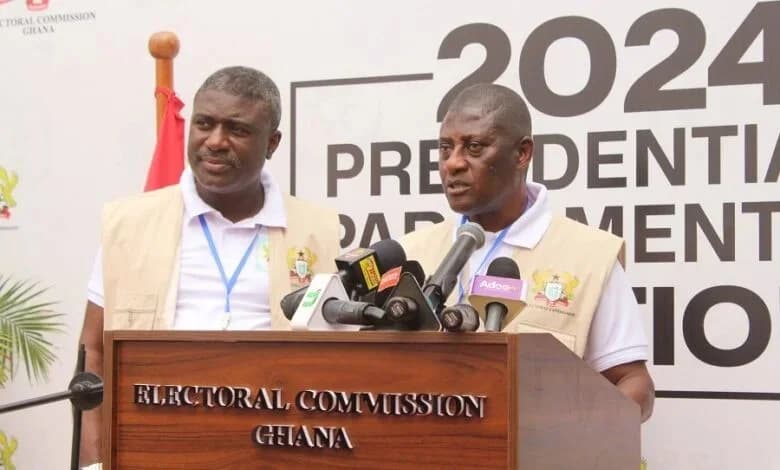
Ghana's primary democratic pillars, the Judiciary and the Electoral Commission (EC), are currently under intense public scrutiny as stakeholders raise alarms over perceived biases and administrative inconsistencies. The Judicial Service of Ghana has been forced to defend Chief Justice Paul Baffoe-Bonnie following criticisms regarding his personal travels and interactions with political figures. Simultaneously, the tenure of Deputy Electoral Commissioners Dr. Bossman Asare and Samuel Tettey is drawing to a close under a cloud of criticism regarding a significant trust deficit and the erosion of consensus-building in the country’s electoral processes. The controversy surrounding Chief Justice Baffoe-Bonnie intensified after photographs surfaced of him at the Black Stars’ camp in Canada during the FIFA World Cup. Dennis Miracles Aboagye, Team Lead of the People’s Forum, issued an open letter expressing concern over the perceived closeness between the Chief Justice and officials of the National Democratic Congress (NDC) government. Aboagye argued that such optics damage public confidence in judicial independence, particularly during ongoing political prosecutions. In a robust response, the Judicial Service clarified that the trip was a private, self-funded vacation. The Service maintained that judicial independence does not require judges to withdraw from national life or patriotic gestures, asserting that judges remain social beings entitled to engage with their communities without compromising their impartiality. Meanwhile, the Electoral Commission is facing a critical juncture as Deputy Commissioners Dr. Bossman Asare and Samuel Tettey prepare to exit their roles. Their leadership has been characterized by analysts as a departure from the traditional consensus-building approach, notably through the sidelining of the Inter-Party Advisory Committee (IPAC). Critics point to a series of contentious decisions, including the aggressive push for the Ghana Card as the sole voter identification and management errors during the 2020 election results declaration. The disenfranchisement of voters in the Guan Constituency and a perceived combative posture toward stakeholders have further alienated civil society, leading to calls for an institutional reset to restore credibility ahead of future elections. Adding to the political discourse, the unexpected resignation of former Chief Justice Sophia Akuffo from the Council of State has sparked speculation. Kwesi Pratt Jnr, Managing Editor of The Insight, suggested that her exit might be linked to broader public discussions surrounding the judiciary, including the tenure of other high-ranking officials. On the international front, French President Emmanuel Macron, speaking at a UN conference in Accra, shifted the focus to historical justice, advocating for slavery reparations that go beyond financial payments to include cultural restitution and historical education. These unfolding events highlight a period of significant institutional soul-searching in Ghana, where the demand for transparency and accountability remains at the forefront of the national conversation.
This story touches markets covered on Anansi Intelligence ↗.
Related topic
NDC (National Democratic Congress): Latest News →More from politics
Continue exploring similar stories


