••
NDC Chairman Johnson Asiedu Nketia Leads Calls for Youth Investment Amid National Debates on Governance and Ethical Leadership
•3 min read•18 sources
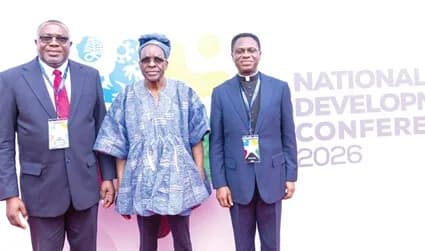
National Chairman of the National Democratic Congress (NDC), Johnson Asiedu Nketia, has issued a clarion call for Ghana to shift its development focus toward its youthful population, describing them as the nation's most valuable asset. Speaking on World Population Day, Nketia projected that Ghana’s population would reach 34.4 million by 2026, with over 12 million individuals in the 15-35 age bracket. He argued that the country’s future hinges on strategic investments in education, digital literacy, and entrepreneurship, rather than a sole reliance on natural resources. By viewing the youth as a competitive demographic advantage instead of a burden, he maintained that Ghana could unlock a "demographic dividend" essential for sustainable economic growth and long-term prosperity.
Complementing this focus on human capital, other political figures have proposed structural reforms to improve national efficiency. Kwame Asare Obeng, the Member of Parliament for Gomoa Central popularly known as A-Plus, recently suggested that military officers should be appointed to lead state-owned institutions. In an interview on Neat FM, he advocated for the discipline and patriotism of military personnel as a solution to productivity challenges within the public sector. Simultaneously, Emmanuel Addo Allotey, the Ga Central Municipal Chief Executive, emphasized the indispensable role of traditional authorities in local governance. He called for deeper collaboration between the assembly and chiefs to facilitate community projects, including new health centers and flood mitigation efforts, underscoring that local development requires the active participation of those who safeguard Ghanaian culture.
The discourse on national progress also extended into the moral and ethical spheres during the National Development Conference organized by the Church of Pentecost. Professor Naana Jane Opoku-Agyemang emphasized that sustainable development requires a moral framework and ethical leadership that goes beyond mere financial policies. She, along with Chief Justice Paul Baffoe-Bonnie, advocated for a renewed commitment to family values and social inclusion, suggesting that integrity and active citizenship are the true foundations of nation-building. This sentiment was echoed by traditional leaders like Odeefo Amoakwa Buadu VIII, who cautioned against over-reliance on international financial assistance, urging the nation to prioritize its own ethical standards and internal resources.
While Ghana grapples with internal governance strategies, international developments highlight similar themes of policy and social stability. In the United States, the "21st Century Road to Housing Act" recently became law, representing a significant bipartisan effort to address housing affordability despite initial protests from President Donald Trump regarding voter ID legislation. Meanwhile, broader regional challenges such as xenophobia in South Africa highlight the tension between labor markets and emerging technologies like AI. These global and local narratives collectively suggest that the modern political landscape is increasingly defined by how governments manage their human resources—be it through housing security, youth empowerment, or the ethical management of state institutions.
This story touches markets covered on Anansi Intelligence ↗.
Related topic
NDC (National Democratic Congress): Latest News →More from politics
Continue exploring similar stories


