••
Asantehene Reaffirms Political Neutrality as Governance Experts and Peace Advocates Call for Institutional Reforms
•3 min read•4 sources
In a significant declaration regarding the role of traditional authority in modern governance, the Asantehene, Otumfuo Osei Tutu II, has reaffirmed his unwavering commitment to the sovereign will of the Ghanaian people. Speaking to a gathering of the Ghanaian diaspora in Toronto, Canada, the monarch emphasized that his loyalty lies not with any specific political party but with the office of the President as determined by the electorate. Reflecting on his history of providing counsel to various heads of state since the era of Jerry John Rawlings, the Asantehene noted his ongoing collaboration with President John Dramani Mahama. He dismissed speculations regarding his political leanings, asserting that his primary focus remains the promotion of peace, unity, and the strengthening of cultural and investment ties.
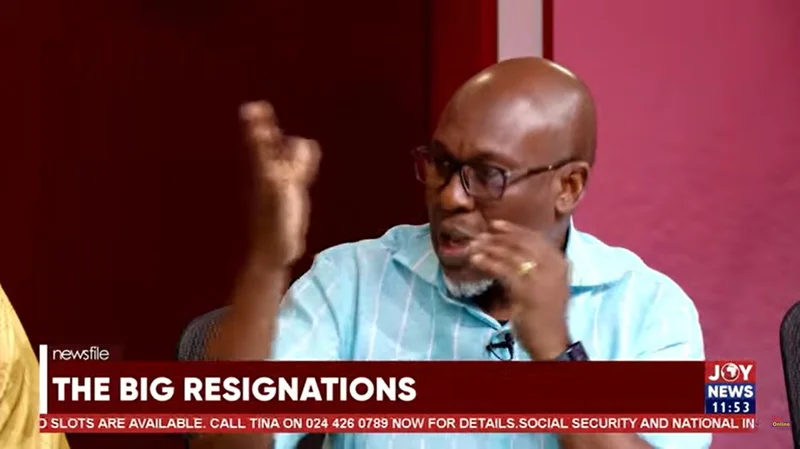
This call for national stability is echoed by civil society’s push for structural reforms within Ghana's democratic institutions. Kofi Bentil, Senior Vice-President of IMANI Africa, has proposed a fundamental shift in how the Electoral Commission (EC) is led. Speaking in the wake of the resignation of Deputy Chairperson Bossman Asare, Bentil argued that the power to appoint the EC leadership should be transferred from the Presidency to a parliamentary vetting process. He contended that such a change is essential to eliminate perceptions of political bias and to restore public confidence in the Commission’s role as an impartial arbiter of the nation’s elections.
The importance of collaborative leadership was further highlighted by the Universal Peace Federation (UPF) Ghana, which recently commended the leadership of Parliament for its role in maintaining national stability. A research paper co-published by the UPF and the African Chamber of Content Producers (ACCP) identified the respectful relationships between political opponents within the legislature as a key driver of Ghana’s resilience. Rev. Tegha King of UPF Ghana emphasized that fostering a culture of mutual respect among leaders is vital for upholding the country’s democratic legacy, a sentiment that aligns with the Asantehene’s recent calls for unity.
On the grassroots level, the practical benefits of effective governance and high-level intervention were recently felt in the island communities of the Ada district. Following a month-long blackout caused by unpaid arrears to a solar contractor, power was restored to the Aflive/Alorkpem and Azizakpey areas through the coordinated efforts of local leadership and the central government. Assemblyman Evans Lawer Adusu praised the intervention involving MP Comfort Doeyo Cudjoe Ghansah and President Mahama, noting that while the immediate crisis was resolved through high-level negotiation, the long-term goal remains connecting these island communities to the national grid to ensure sustainable educational and economic development.
This story touches markets covered on Anansi Intelligence ↗.
Related topic
John Mahama: Latest News & Updates →More from politics
Continue exploring similar stories


