••
Severe Flooding in Angola Leaves Dozens Dead and Thousands Displaced Following Torrential Rains
•2 min read•4 sources
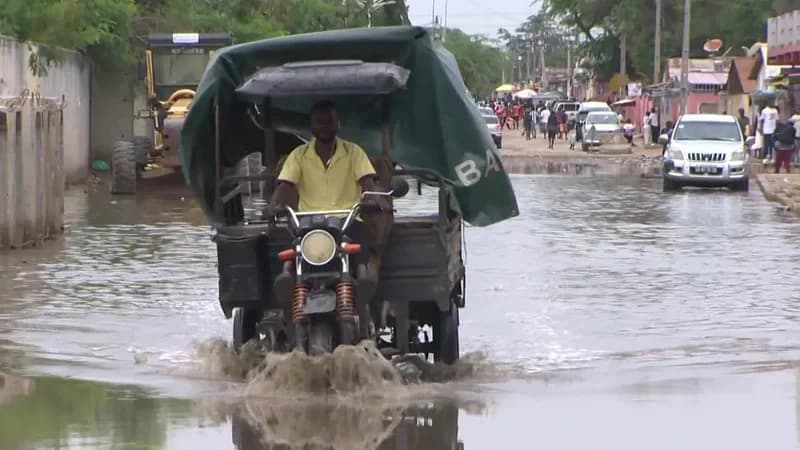
Angola is grappling with a humanitarian crisis following catastrophic flooding triggered by torrential rains, which has claimed the lives of at least 33 people and left over 34,000 others affected. The surge of water has hit the capital, Luanda, and the coastal city of Benguela particularly hard, causing widespread destruction of property and infrastructure. While initial reports cited 29 fatalities, the death toll has continued to rise as emergency teams reach more remote areas. Local authorities and emergency services remain on high alert as they navigate the aftermath of the deluge, which has transformed streets into rivers and submerged entire neighborhoods.
In Benguela alone, 23 people were confirmed dead, while Luanda reported at least six fatalities, with additional deaths recorded in the Cuanza-Sul province. Beyond the loss of life, the Civil Protection and Fire Service reported at least 17 injuries and significant damage to thousands of residential buildings. The flooding has also crippled essential services, washing away bridges, damaging roads, and disrupting utility networks, including water and electricity. This destruction has complicated rescue efforts and left many communities isolated, as government officials scramble to assess the full extent of the damage to public infrastructure.
President João Lourenço has expressed his condolences to the families of the victims and emphasized the government's commitment to providing immediate relief. He acknowledged the severity of the crisis and directed the mobilization of resources to assist those displaced by the flooding. Emergency teams are currently focused on providing medical care to the injured and relocating families whose homes were destroyed. The government is also working to restore vital services and repair damaged transport links to ensure that aid can reach the most vulnerable populations effectively.
This latest disaster underscores the ongoing vulnerability of Southern African nations to severe weather patterns during the annual rainy season. Historically, Angola and its neighbors have faced similar challenges, with heavy rains frequently leading to displacement and economic loss. As climate patterns become increasingly unpredictable, the scale of this flooding highlights the urgent need for improved urban planning and more resilient infrastructure to mitigate the impact of natural disasters. For now, the focus remains on recovery and support for the thousands of Angolans whose lives have been upended by the storms.
This story touches markets covered on Anansi Intelligence ↗.
More from africa
Continue exploring similar stories


