••
Minister Agbodza Warns Contractors as Local Leaders Advocate for Chieftaincy Collaboration and Ethical Leadership in National Development
•3 min read•9 sources
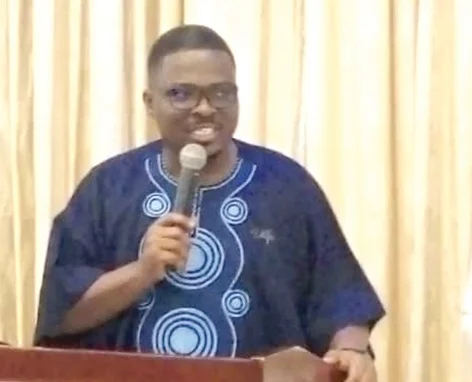
Ghana's Minister for Roads and Highways, Kwame Governs Agbodza, has intensified the government’s "Big Push" infrastructure agenda by embarking on a multi-region inspection tour to ensure project timelines are strictly met. During his visit to the Have-Hohoe road project, the Minister issued a stern warning to the contractor, Greenhouse Development International, threatening to terminate their contract if work does not accelerate. Currently at only 13 percent completion, the 56-kilometre road has been plagued by equipment shortages and poor progress. Minister Agbodza emphasized that personal oversight is essential to hold contractors accountable, moving beyond reliance on desk reports to ensure that public funds deliver visible results for the people of the Eastern, Volta, and Oti Regions.\n\nThis drive for accountability extends into the healthcare sector, where Member of Parliament Jerry Ahmed Shaib is calling for a swift resolution to the deadlock surrounding the Weija Children’s Hospital. The project has stalled following a payment dispute between the Ministry of Health and the contractor, Awerco, which escalated when the Economic and Organised Crime Office (EOCO) intervened. While acknowledging the need for due process, Shaib urged for fairness to ensure the facility is completed for the residents of Weija-Gbawe. The intervention of EOCO during a Ministry of Health meeting has raised concerns among observers regarding the boundary between civil contract disputes and criminal investigations, highlighting the complexities of state procurement and project management.\n\nSimultaneously, local government leaders are emphasizing that physical infrastructure must be paired with strong traditional and moral leadership. The Ga Central Municipal Chief Executive, Emmanuel Addo Allotey, and the Ada West District Chief Executive, Jerry-John Foreigner Mills-Nkrumah, have both called for deeper collaboration with traditional authorities. By integrating chieftaincy and religious affairs into local governance, the assemblies aim to leverage the influence of chiefs to resolve land disputes, mitigate flooding, and drive community projects such as markets and health centers. In Ada West, the DCE specifically urged the inclusion of gazetted sub-chiefs in decision-making to curb the multiple installations that have previously hindered regional development.\n\nThe broader context of these developmental efforts was captured by Vice-President Prof. Naana Jane Opoku-Agyemang at the National Development Conference. She argued that sustainable national progress requires a moral framework rooted in family values and integrity rather than just financial investment. This call for ethical leadership resonates in communities like Sazie, where District Chief Executive James Wor has made an urgent appeal for the repair of a critical culvert that threatens to isolate local farmers. As the government continues its "Big Push," the consensus among these leaders is that success depends on a blend of strict contractor accountability, traditional authority involvement, and a renewed commitment to the ethical standards of leadership.
This story touches markets covered on Anansi Intelligence ↗.
More from politics
Continue exploring similar stories


