••
Africa Scales New Economic Heights through Homegrown Solutions, Digital Finance, and Global Trade Partnerships
•3 min read•13 sources
Across the African continent, a new era of self-reliance and strategic partnership is emerging, underscored by high-level summits in Nairobi and Accra. At the Africa Forward Summit in Kenya, Dr. Joseph Siaw Agyepong, Executive Chairman of the Jospong Group, issued a clarion call for African leaders to prioritize homegrown solutions over external aid. Sharing his journey from a street hawker to leading a $1.9 billion waste management conglomerate, Dr. Agyepong challenged the continent to view waste as an untapped resource and urged investors to re-evaluate risk assessments for African ventures. This sentiment was echoed by Kenyan President William Ruto and French President Emmanuel Macron, the latter of whom pledged €23 billion in investment for the continent while navigating complex discussions on the conditional return of African cultural artefacts currently held in French institutions.
Simultaneously, Ghana has positioned itself as a hub for both physical and digital infrastructure development. The 2026 3i Africa Summit in Accra served as a launchpad for a digital finance revolution, connecting fintech innovators, crypto exchanges, and digital lenders with global investors. Industry leaders emphasized that while the sector faces compliance pressures, tailored regulatory frameworks and increased public education are vital for sustainable growth. This drive for modernization is mirrored in the infrastructure sector, where the FIDIC Africa Conference highlighted an annual financing gap of $130-$170 billion. Experts at the conference stressed that climate-resilient and smart infrastructure are essential to sustaining Africa’s economic trajectory, calling for innovative financing models to bridge the investment deficit.
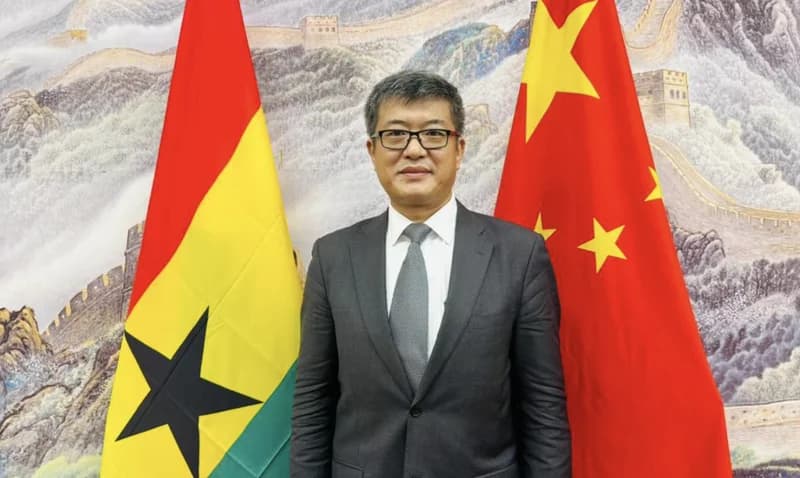
International trade relations are also set for a significant shift following China’s announcement of a zero-tariff policy effective May 2026. This initiative will grant duty-free entry to products from 53 African countries, including Ghana, specifically targeting exports such as cocoa, cashew, shea butter, and textiles. With bilateral trade already reaching a record $14.1 billion in 2025, Chinese Ambassador Cong Song noted that the policy aims to reduce export costs and stimulate local processing industries. Complementing these trade ties, cultural and technical exchanges between Chinese and Ghanaian youth are deepening, focusing on technology transfer and skills development within the infrastructure sector through initiatives led by entities like China Railway No. 5.
In the realm of tourism and culture, the continent is witnessing a robust recovery and expansion. South Africa’s President Cyril Ramaphosa recently reported that international arrivals hit 10.5 million, bolstered by visa reforms and regional connectivity efforts within the Southern African Development Community (SADC). Meanwhile, Ghana has been actively marketing its cultural heritage abroad, recently hosting a three-day promotion in Ethiopia to foster bilateral cooperation through the creative economy. As Africa moves toward 2027, these integrated efforts in trade, technology, and tourism signal a concerted drive toward Pan-African integration and a more dominant presence in the global economic landscape.
This story touches markets covered on Anansi Intelligence ↗.
More from africa
Continue exploring similar stories


