••
From Economic Resilience to Cultural Heritage: Navigating Africa's Evolving Social and Security Landscape
•3 min read•12 sources
The African continent is currently navigating a complex landscape of economic risks, security challenges, and transformative local leadership. According to a joint report by the African Union and the African Development Bank, the ongoing conflict in the Middle East poses a significant threat to Africa's growth, with a projected GDP loss of 0.2 percentage points if the conflict persists beyond six months. This economic strain is exacerbated by the depreciation of 29 African currencies, which has driven up debt servicing costs and import prices. Amidst these macro-economic pressures, security remains a critical concern, evidenced by a tragic terrorist attack in Nigeria's Kaduna State where at least seven people were killed and others abducted during Easter services at the First ECWA and St. Augustine Catholic churches. Similarly, in Senegal, a tightening crackdown on LGBTQ individuals has led to increased penalties of up to 10 years in prison, prompting many to seek asylum abroad to escape domestic persecution.
In Ghana, local leadership and community initiatives are offering a counter-narrative of progress and cultural preservation. In the Central Region, the town of Assin Kushea has emerged as the cleanest in the country under the visionary leadership of Nana Prah Agyensaim VI. The Paramount Chief is currently overseeing the construction of a 7.4-acre palace, set to be one of the largest in West Africa, featuring a botanical garden and zoo intended to boost local tourism. This spirit of innovation is mirrored in the agricultural sector, where the 2026 'Gathering of Royals' convened nearly 700 queen mothers and market queens. The initiative, organized by the Agrihouse Foundation, focuses on empowering women to revitalize Ghana's tomato production and reduce the nation's heavy reliance on imports from neighboring countries like Burkina Faso.
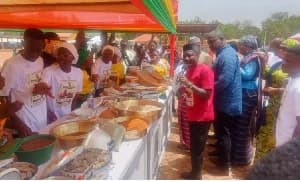
Cultural and social discourse in Ghana continues to be vibrant and diverse, ranging from historical reflections to modern advocacy. Recent highlights include the inauguration of the World Tuozafi Festival in Tamale by Executive Chef Failatu Abdul-Razak, which celebrates Northern Ghanaian cuisine and promotes nutritional awareness. Meanwhile, the Ghana Drunkards Association, led by Moses Dry Bone, has made headlines by defending alcohol consumption against religious condemnation, citing biblical precedents and the cultural significance of drinking in social ceremonies. This sits in contrast to a series of legal troubles involving prominent Ghanaian pastors, such as Bishop Daniel Obinim and Rev Isaac Owusu Bempah, whose brushes with the law have sparked national conversations about the accountability of religious leaders.
As African nations strive for development, the push for improved infrastructure remains a persistent theme. Residents of Volo in the North Tongu Constituency have recently petitioned the government for urgent action on water supply challenges, highlighting that proximity to the Volta River has not guaranteed access to safe drinking water. These localized struggles for basic services, alongside the continent's broader economic and security hurdles, underscore the resilience required by African communities. Whether through the unique communication methods once used by Dr. Kwame Nkrumah or the modern agricultural reforms led by traditional queens, the continent continues to blend its rich heritage with new strategies for survival and growth.
This story touches markets covered on Anansi Intelligence ↗.
More from africa
Continue exploring similar stories


