••
Minority Leader Afenyo-Markin Reinstated to ECOWAS Delegation Amid Parliamentary Row Over Welfare Meetings and Siren Restrictions
•3 min read•8 sources
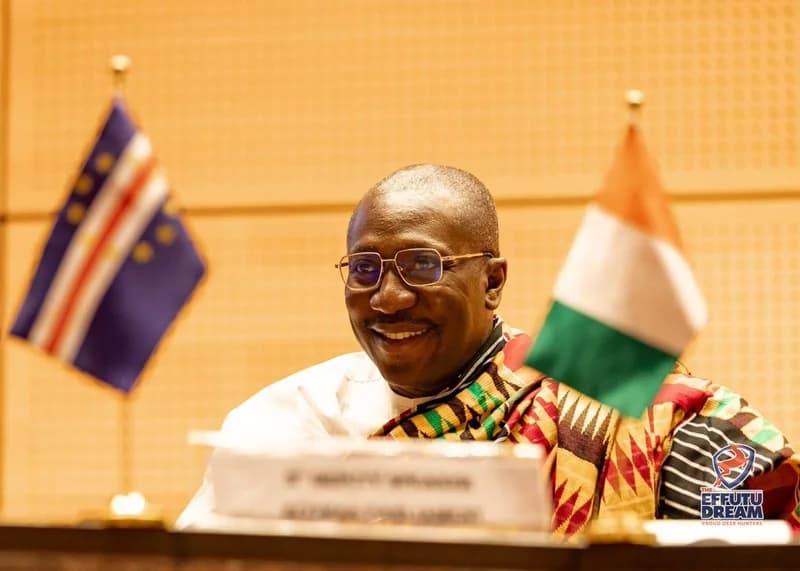
The Parliament of Ghana has undergone a significant institutional shift with the reconstitution of its delegation to the ECOWAS Parliament, primarily marked by the reinstatement of Minority Leader Alexander Afenyo-Markin. This move follows a period of procedural uncertainty and diplomatic friction in Abuja, where the regional body initially declined to swear in the Ghanaian delegation. Afenyo-Markin returns to the fold to replace Deputy Minority Leader Patricia Appiagyei, who stepped down following concerns over consultation and procedural irregularities. The reconstituted delegation, which includes prominent members such as George Kweku Ricketts-Hagan and Emmanuel Kwasi Bedzrah, is intended to streamline Ghana’s representation and ensure compliance with ECOWAS regulations after a period of internal friction.
While the ECOWAS delegation issue reached a resolution, tensions within the House flared over a controversial meeting between President John Dramani Mahama and the National Democratic Congress (NDC) caucus. Minority Leader Afenyo-Markin accused the Presidency of discrimination after Parliament was adjourned early to allow the Majority to discuss welfare matters with the President. Afenyo-Markin argued that discussions regarding the welfare of all 276 Members of Parliament should be bipartisan, criticizing the exclusion of the Minority as a neglect of parliamentary duties. In response, Majority Leader Mahama Ayariga defended the meeting, asserting that President Mahama remains inclusive and suggesting that the Minority would eventually have their own opportunity to engage with the executive, citing historical precedents from previous administrations.
In tandem with these parliamentary developments, the executive branch has introduced strict new regulations regarding the use of sirens on government vehicles to enhance road safety and curb the abuse of public office privileges. Interior Minister Muntaka Mubarak announced that only approved officials will now be permitted to use sirens, with all installations requiring a formal request and subsequent approval by President Mahama. Ministers and political appointees must now justify the necessity of sirens based on their specific official duties, and law enforcement agencies have been directed to take decisive action against unauthorized users. Several ministers have already submitted justifications as the Presidency begins a rigorous review process.
These combined developments highlight a period of intensive negotiation between the executive and legislative branches in Ghana. The resolution of the ECOWAS delegation composition aims to restore Ghana’s standing within the regional bloc, while the disputes over welfare meetings and siren protocols underscore ongoing debates regarding governance, equity, and the professional conduct of public officials. As Parliament resumes its full schedule, the focus remains on whether these institutional adjustments will lead to a more cohesive relationship between the Majority and Minority caucuses and a more disciplined executive culture.
This story touches markets covered on Anansi Intelligence ↗.
Related topic
NDC (National Democratic Congress): Latest News →More from politics
Continue exploring similar stories


