••
Global Health Alert: WHO Declares Ebola Emergency as Outbreak Spreads Amid Conflict and Infrastructure Gaps
•3 min read•25 sources
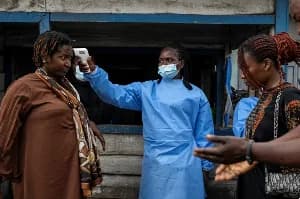
The World Health Organization (WHO) has declared the ongoing Ebola outbreak in the Democratic Republic of Congo (DRC) a Public Health Emergency of International Concern (PHEIC), warning of a high risk of cross-border transmission. The outbreak, which was officially detected in mid-May, is primarily driven by the rare Bundibugyo strain of the virus. Currently, there is no approved vaccine or specific treatment for this particular strain, which has a fatality rate of up to 50 percent. As of late May, authorities have reported over 900 suspected cases and more than 220 suspected deaths, with the epicenter located in the conflict-ridden eastern regions of the DRC. While some progress has been made—including the recovery of a patient in the rebel-held city of Goma—the situation remains volatile.
WHO Director-General Tedros Adhanom Ghebreyesus has described the crisis as a "catastrophic collision" of disease and war. Persistent violence from armed groups in the DRC has severely hindered humanitarian access, leading to a breakdown in state services and complicating contact tracing efforts. Healthcare workers face significant challenges, including public distrust and physical attacks on facilities. In response, the WHO has called for an immediate ceasefire to allow medical teams to reach vulnerable populations. Despite these hurdles, six tonnes of medical supplies have been dispatched to Goma to bolster local response capabilities, and scientific teams at Oxford University are working to develop a new vaccine, though they warn that safety protocols mean "no shortcuts" can be taken to expedite its readiness for the current wave.
Neighboring countries and the international community have reacted swiftly with stringent containment measures. Uganda has ramped up health screenings in Kampala after confirming seven cases and has suspended public transport links with the DRC. Globally, the United States, Canada, and several other nations have imposed travel bans or 90-day entry restrictions for residents from affected regions. Countries such as India, Thailand, and Bahrain have implemented enhanced surveillance and quarantine procedures at airports. Conversely, the European Union has maintained that the risk to its member states remains low, advising against mandatory entry screenings for the time being.
In Ghana, the international emergency has sparked a heated debate regarding national readiness. Dr. Kingsley Agyemang, a member of Parliament’s Health Committee, has criticized the government's preparedness as "woefully inadequate," arguing that existing measures are overly concentrated in Accra. He warned that the focus on select facilities in the capital creates a misleading perception of safety, leaving underserved districts and remote regions vulnerable. While the Ghana Health Service maintains that surveillance has been intensified, Agyemang has called for urgent investment in district-level infrastructure and health worker training. Meanwhile, Zimbabwe has taken a proactive stance by approving a contingency fund to strengthen its health security and laboratory capacity despite having no confirmed cases.
The global health community continues to emphasize that stopping the spread of the Bundibugyo strain requires a multi-faceted approach involving community cooperation, scientific innovation, and political stability. The immediate priority remains securing humanitarian corridors in the DRC and ensuring that regional health systems are prepared for potential outbreaks outside of major urban centers. As international aid pledges reach approximately $500 million, the focus shifts toward building long-term resilience and fostering trust between health authorities and the communities they serve.
This story touches markets covered on Anansi Intelligence ↗.
More from health
Continue exploring similar stories


