••
Ghana Health Crisis: GHANET Warns of HIV Kit Shortages as Cancer Society Demands National Priority for Childhood Care
•3 min read•4 sources
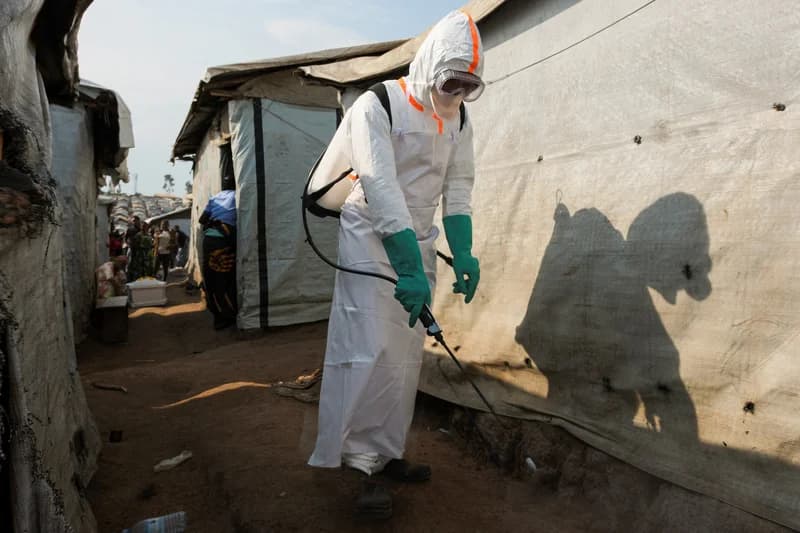
Ghana's healthcare system is facing a dual challenge as the Ghana HIV and AIDS Network (GHANET) warns of an imminent shortage of testing commodities while the Childhood Cancer Society of Ghana (CCSG) calls for an urgent policy shift to improve survival rates. These local concerns coincide with a dire warning from the United Nations regarding a regional Ebola outbreak that could cost the African continent billions of dollars. Together, these developments highlight critical gaps in medical supply chains, funding, and the prioritization of life-saving interventions across the country and the wider region.
Ernest Amoabeng Ortsin, President of GHANET, has sounded an alarm over the depletion of essential HIV testing kits, including both oral and blood-based varieties. Current supplies, primarily provided by the Global Fund, are expected to run out by the end of July, threatening to disrupt early diagnosis and treatment programs. This shortage is particularly concerning for pregnant women and emergency cases, potentially stalling progress toward the UNAIDS 95-95-95 targets. Experts attribute the crisis to slow government procurement and a heavy reliance on international donors, advocating for immediate buffer stocks and the promotion of local manufacturing to ensure long-term stability.
Parallel to the diagnostic crisis, the Childhood Cancer Society of Ghana is advocating for childhood cancer to be elevated to a national priority. Professor Vivian Paintsil noted a stark disparity in outcomes, with Ghana’s survival rate for childhood cancer sitting below 50%, compared to up to 90% in high-income nations. The CCSG identifies high treatment costs, a shortage of specialized personnel, and the absence of a national registry as primary hurdles. To bridge this gap, stakeholders are urging the government to expand National Health Insurance Scheme (NHIS) coverage and utilize the Ghana Medical Trust Fund to support families battling the financial burden of the disease.
On a regional scale, the United Nations has issued a sobering forecast regarding the Ebola outbreak in the Democratic Republic of Congo. Since mid-May, the Bundibugyo strain has resulted in over 1,300 infections and 377 deaths, prompting fears of a $3.6 billion economic loss across Africa. The UN emphasizes that while the outbreak could be contained with swift resource mobilization, a failure to act could trigger a larger health emergency and lead to hundreds of thousands of job losses. This regional threat underscores the interconnectedness of African health systems and the necessity of robust, proactive disaster management.
These converging health issues demonstrate the urgent need for African governments to move toward self-reliance in medical supplies and health financing. Whether addressing the immediate scarcity of HIV kits in Ghana or the long-term systemic needs of cancer patients and regional pandemic preparedness, the path forward requires a blend of domestic investment and strategic international cooperation. Prioritizing health security today is essential to preventing the devastating human and economic costs projected for the near future.
This story touches markets covered on Anansi Intelligence ↗.
More from health
Continue exploring similar stories


