••
Trump Slams 'Exorbitant' 2026 World Cup Ticket Prices; FIFA Defends Market-Driven Strategy
•2 min read•5 sources
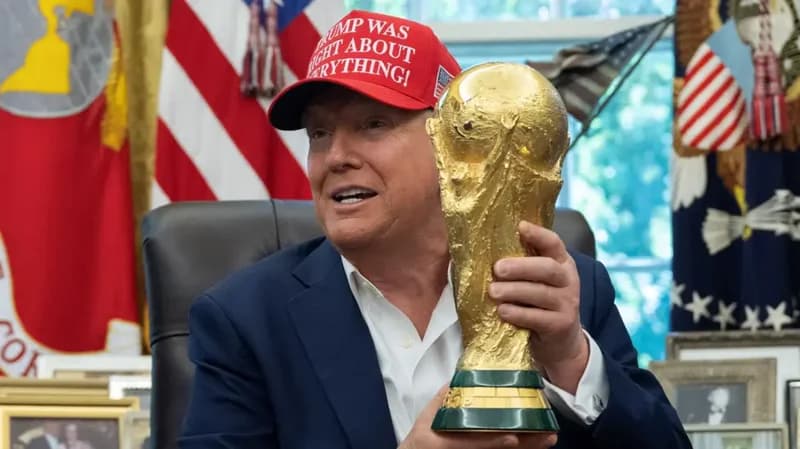
U.S. President Donald Trump has voiced strong opposition to the rising costs of the 2026 FIFA World Cup, specifically targeting the $1,000 price tag for the United States' opening match against Paraguay. Expressing surprise and frustration over the pricing structure, Trump stated plainly, "I wouldn't pay it either," despite his interest in attending the global event. The President's comments come as excitement builds for the tournament, which will be co-hosted by the United States, Canada, and Mexico, but concerns are mounting that the average sports fan may be financially excluded from the spectacle.
The pricing disparity has become a focal point of the administration's critique, with reports suggesting that tickets for the World Cup final could reach as high as $13,000. Trump highlighted that such costs could prevent many of his supporters and ordinary citizens from attending. He further hinted that his administration might investigate FIFA’s pricing strategies to ensure that the tournament remains accessible to the public. The President characterized the current model as potentially extortionate, particularly as FIFA adopts a new pricing strategy that fluctuates based on team popularity.
In response to these criticisms, FIFA President Gianni Infantino has defended the organization's financial approach, attributing the high costs to the massive market demand within the U.S. entertainment and sports industry. Infantino argued that the ticket prices are consistent with other major American sporting events. Despite this defense, FIFA has reportedly introduced a tier of lower-priced tickets and made efforts to adjust transportation costs for fans, acknowledging the logistical and financial burdens associated with attending matches across North American host cities.
As the 2026 World Cup approaches, the tension between commercial profitability and fan accessibility remains a significant talking point. While FIFA maintains that the pricing reflects the premium nature of the tournament, the pressure from high-level political figures underscores a broader debate regarding the commercialization of international football. The outcome of these discussions and potential government inquiries could set a precedent for how global sporting bodies balance revenue generation with the inclusive spirit of the "beautiful game."
This story touches markets covered on Anansi Intelligence ↗.
More from sports
Continue exploring similar stories


