••
Global Football Standards Evolve as UEFA Clarifies Red Card Rules and FIFA Sets Strenuous Referee Selection Criteria
•2 min read•2 sources
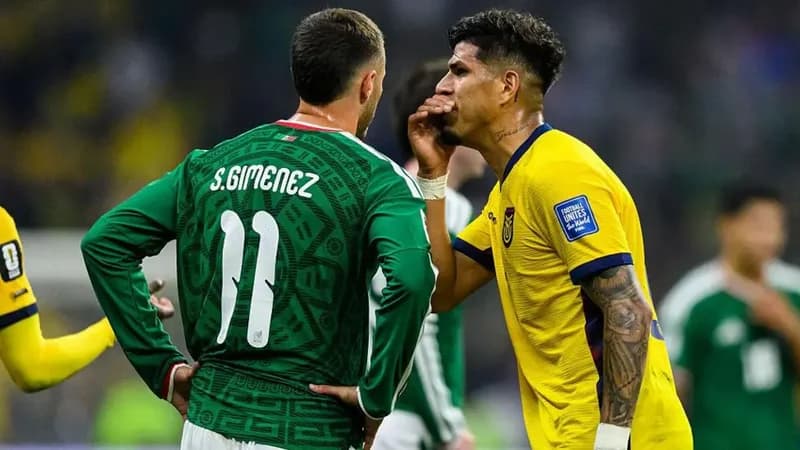
The international football landscape is witnessing significant shifts in how matches are managed, ranging from the elite selection of match officials for the World Cup to new disciplinary guidelines governing player behavior on the pitch. While FIFA continues to intensify its search for top-tier officiating talent through a grueling vetting process, UEFA has clarified its stance on on-field confrontations, ensuring that players will not face automatic ejections for specific physical gestures. These changes underscore a dual focus on raising the quality of officiating while refining the disciplinary protocols used to manage the behavior of professional athletes.
For referees, the path to the World Cup remains one of the most demanding journeys in global sports. Out of the vast pool of officials on FIFA's global list, only a staggering 4.5% successfully navigate the selection process to reach the tournament. This year, a record 170 officials have been appointed from 50 member nations, a group that notably includes 52 referees and six women. Beyond the physical training, former officials like Renato Faverani emphasize the immense emotional weight and personal sacrifices required, noting that the pressure of high-stakes officiating often leads to strained family relationships and immense public scrutiny, highlighting the heavy personal cost of maintaining elite standards.
Parallel to the rigors of referee selection, UEFA is adjusting its disciplinary framework to address modern player interactions. The European governing body confirmed that players who cover their mouths during confrontations will not be issued red cards. This clarification follows a period of ambiguity and high-profile incidents, including the case of Gianluca Prestianni, who was sanctioned for homophobic conduct. By choosing not to use red cards for the act of covering one’s mouth alone, UEFA aims to balance firm disciplinary action for verbal abuse with a recognition of the complexities of on-pitch communication, avoiding overly punitive measures for gestures that do not necessarily constitute a foul.
These developments highlight a broader trend toward professionalization and nuance in football governance. As referees endure rigorous training and selection to maintain the integrity of the World Cup, administrative bodies like UEFA are refining rules to ensure that punishments are proportionate to offenses. Together, these measures reflect the ongoing effort to manage the intense pressures of the world's most popular sport while maintaining clear, fair standards for both those who play the game and those who adjudicate it.
This story touches markets covered on Anansi Intelligence ↗.
More from sports
Continue exploring similar stories


