••
Telecel Ghana Foundation Expands DigiTech Academy: 500 Students in Five Regions to Receive Advanced STEM Training
•2 min read•2 sources
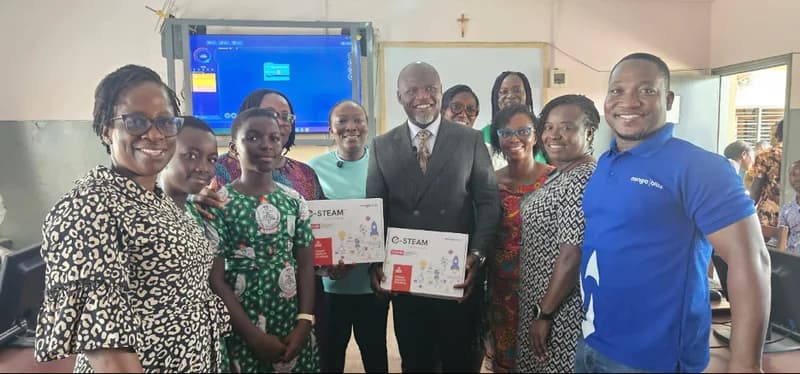
The Telecel Ghana Foundation has officially launched the fourth cohort of its DigiTech Academy, marking a significant expansion of its digital literacy initiative across Ghana. This latest phase aims to equip 500 upper primary and junior high school pupils with essential digital skills, focusing on high-demand fields such as robotics, coding, and web application development. By extending its reach into five additional regions, the foundation continues its mission to decentralize technology education and empower the next generation of Ghanaian innovators. The 12-week after-school program is strategically deployed in several key communities, including Yendi, Sawla, Nalerigu, Effiakuma, and Enchi. Under the broader Connected Learning initiative, the academy provides a practical curriculum designed to enable students to develop digital solutions for real-world challenges within their local communities. Local leaders and educators have lauded the rollout, noting that the hands-on approach to STEM (Science, Technology, Engineering, and Mathematics) aligns seamlessly with national educational goals to modernize the workforce. A standout feature of this cohort is its strong commitment to gender inclusion, with girls making up 70% of the total participants. This deliberate focus aims to bridge the persistent gender gap in the technology sector and encourage more young women to pursue careers in science and engineering. This effort builds upon the foundation’s previous successes, where the initiative has already impacted over 2,000 learners across the country, fostering a new culture of digital fluency and problem-solving among Ghanaian youth. Executed in partnership with the Ghana Education Service and the Ghana STEM Centre, the program is scheduled to culminate in a major project showcase in July. During this event, students will demonstrate the applications and websites they have built during the course. As the digital economy grows, programs like the DigiTech Academy are increasingly vital in ensuring that students in both urban and rural areas are not left behind, providing them with the tools necessary to compete in a globalized technological landscape.
This story touches markets covered on Anansi Intelligence ↗.
Related topic
Ghana Education Service (GES): Latest News Today →More from technology
Continue exploring similar stories


