••
Professor Kofi Sarpong Adu-Manu Warns Journalists of Increasing Digital Threats to Confidential Sources
•2 min read•1 source
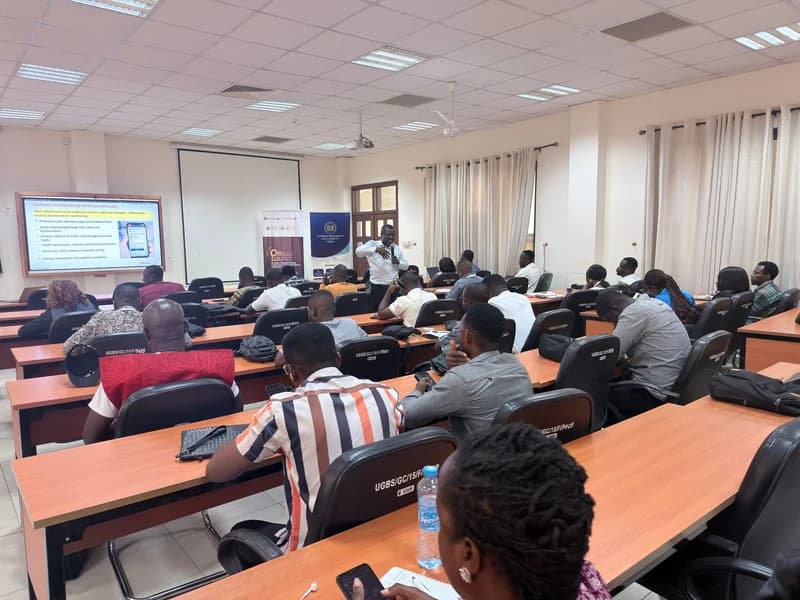
Cybersecurity expert Professor Kofi Sarpong Adu-Manu has issued a critical warning to journalists in Ghana, highlighting a significant rise in digital threats targeting the media industry. Speaking at a specialized training project in Accra, the Professor emphasized that journalists are increasingly vulnerable to cyberattacks designed to compromise confidential sources and gain unauthorized access to unpublished stories. As the digital landscape evolves, the protection of sensitive information has become a fundamental pillar of modern reportage and a necessity for the safety of those involved.
During the training session, Professor Adu-Manu identified several prevalent methods used by malicious actors to intercept journalistic work, including phishing, malware, and sophisticated surveillance techniques. He noted that these threats not only endanger individual reporters but also the safety of their informants, who often rely on absolute anonymity to expose corruption or social wrongdoing. By exploiting digital vulnerabilities, attackers can monitor communications or steal proprietary data, effectively silencing critical voices or preempting investigations before they reach the public domain.
To mitigate these risks, the expert provided practical advice on safeguarding information through enhanced digital hygiene. This includes the implementation of encrypted communication tools, robust password management protocols, and a heightened awareness of deceptive digital tactics. Professor Adu-Manu stressed that cybersecurity is no longer a peripheral concern for newsrooms but is essential for maintaining journalistic integrity. Ensuring that data remains secure is vital for preserving the trust that the public places in media institutions to provide accurate and independent information.
The training project in Accra underscores a growing movement to equip Ghanaian media professionals with the technical skills required to navigate an increasingly hostile digital environment. As surveillance technologies become more accessible to both state and non-state actors, the ability of journalists to shield their work from intrusion will determine the future of a free and vibrant press in the country. Moving forward, stakeholders in the media industry are encouraged to prioritize cybersecurity training as a core component of professional development to ensure the continued safety of journalists and the sanctity of their information.
This story touches markets covered on Anansi Intelligence ↗.
More from technology
Continue exploring similar stories


