••
Africa News Roundup: Deadly Landslides Strike Tanzania Amidst Growing Regional Conflict and Fuel Shortages
•2 min read•5 sources
East Africa is grappling with a devastating humanitarian crisis as torrential rains trigger deadly landslides and flooding across the region. In southern Tanzania’s Mbeya region, local officials have confirmed that at least 20 people, including a young child, have lost their lives following days of intense rainfall. Authorities have warned that the death toll may rise as search efforts continue, and they have issued urgent evacuation orders for residents in high-risk zones. This disaster is part of a broader pattern of extreme weather hitting the continent; neighboring Kenya has reported 88 deaths from flooding, while Ethiopia recently saw approximately 80 fatalities due to similar landslides. Experts noted that while heavier-than-normal rainfall was anticipated for the season, the scale of the destruction has exposed significant gaps in community preparedness and infrastructure.
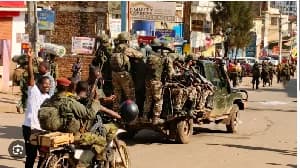
Simultaneously, the Democratic Republic of Congo (DRC) is facing a dangerous escalation in military hostilities. The United Nations peacekeeping mission, MONUSCO, has raised alarms over the expansion of the conflict between government forces and the M23 group into Tshopo Province. UN officials reported a worrying shift in combat tactics, including the increased use of drone warfare and GPS jamming near strategic locations like Bangoka Airport and Goma. These developments pose a severe threat to civilian safety and hinder the monitoring of human rights abuses. With 26.6 million people projected to face food insecurity this year, the DRC’s ambassador has accused Rwanda of supporting M23 offensives, a claim that underscores the deepening geopolitical tensions in the Great Lakes region.
Beyond environmental and security challenges, several African nations are now implementing emergency measures to mitigate a growing energy crisis exacerbated by the Iran-US conflict. South Sudan has begun rationing electricity, while Mauritius and Ethiopia are struggling with acute fuel shortages and seeking alternative oil shipments. In Southern Africa, Zimbabwe is planning to increase the ethanol content in its petrol to stabilize rising prices. While Nigeria may see a boost in oil revenues as a major producer, the local population remains vulnerable to surging transport costs. Together, these three converging crises—natural disasters, armed conflict, and economic volatility—present a complex challenge for regional leaders as they seek to protect vulnerable populations and maintain stability.
This story touches markets covered on Anansi Intelligence ↗.
More from africa
Continue exploring similar stories


