••
Ghana Strengthens Continental Ties Through Strategic Diplomacy and Economic Advocacy
•2 min read•9 sources
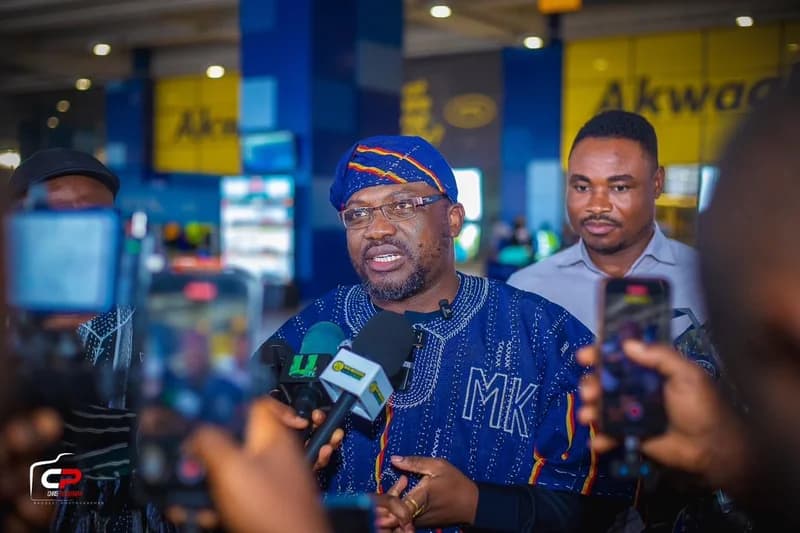
Ghana is intensifying its role in African integration and regional development through a series of high-profile diplomatic engagements and strategic policy advocacy. President John Dramani Mahama recently welcomed Zimbabwean President Emmerson Mnangagwa for a three-day state visit to Accra, aimed at deepening bilateral cooperation in trade, agriculture, and governance. Simultaneously, at the 11th OACPS Summit in Equatorial Guinea, Deputy Minister for Foreign Affairs James Gyakye Quayson called for a strategic alliance among developing nations, specifically targeting raw material bargaining power and joint transport investments to bridge trade gaps across the continent.
While diplomatic ties strengthen, new data highlights significant economic hurdles facing the region. A study by the African Centre for Economic Transformation (ACET) across 22 countries reveals a critical shortage of quality employment; despite overall job growth, only 18% of African workers have access to health coverage and 19% to social security. This labor market instability is compounded by a worsening food security crisis. The Food and Agriculture Organization (FAO) reports that global shocks and trade disruptions have left approximately 307 million people undernourished in Africa. Ahead of the 34th Regional Conference in Mauritania, the FAO is urging collective leadership to fix fragmented markets and increase investment in smallholder farmers.
In the sectors of culture and infrastructure, Ghana continues to receive international recognition while pushing for historical justice. The African Chamber of Content Producers (ACCP) has urged the Ghanaian government to leverage the creative economy by producing Pan-African films that advocate for reparatory justice regarding the Transatlantic slave trade. In the skies, Ghana’s regulatory standards were celebrated as Rev. Stephen Wilfred Arthur, Director-General of the Ghana Civil Aviation Authority (GCAA), received a prestigious continental award in Abuja for his excellence in aviation safety and leadership. These developments underscore Ghana's multifaceted approach to leadership, balancing economic realism with cultural advocacy and regulatory excellence to foster a more integrated and prosperous Africa.
This story touches markets covered on Anansi Intelligence ↗.
More from africa
Continue exploring similar stories


