••
Ghana's Sustainable Future: Integrating Infrastructure, Education, and Climate Adaptation
•3 min read•13 sources
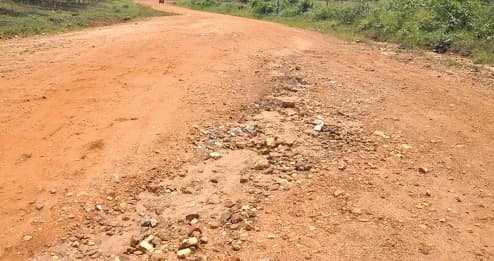
Ghana is currently navigating a complex developmental landscape, balancing the urgent need for structural infrastructure with emerging environmental and educational demands. In the North East Region, residents and farmers along the White Volta are calling for non-partisan commitment to the long-delayed Pwalugu Multipurpose Dam. This project is seen as a critical solution to the perennial flooding caused by climate variability and the annual spillage from the Bagre Dam in Burkina Faso, which has historically led to mass displacement and economic hardship. While regional experts emphasize structural solutions like desilting the White Volta, authorities in other areas, such as Ada East, point to human activities as a primary cause of local disasters. The National Disaster Management Organisation (NADMO) recently identified obstructed waterways and poor waste disposal as the main drivers of flooding in Ada, urging citizens to stop blocking drainage systems for personal property protection.
Parallel to these infrastructure challenges is a significant shift toward environmental sustainability and clean energy. In Wulugu, the Green Energy Solution Initiative is helping the community transition away from traditional charcoal production, which has historically driven land degradation in the Sahel ecological belt. By introducing clean-cooking stoves and solar-powered irrigation, the initiative supports year-round farming and reduces reliance on forest resources. However, this transition has created economic tensions for local charcoal retailers who face declining demand. In southern Ghana, students at the University of Ghana have launched the 'Eco Guardian Campaign' to instill waste management and green practices in younger generations, while traditional entrepreneurs like Ms. Miriam Agbozo continue to champion indigenous knowledge, such as using charcoal to naturally preserve and extend the shelf life of shea butter.
In the realm of education and workforce development, major investments are underway to bridge the national skills gap. The Design and Technology Institute (DTI) has broken ground on a $28 million Multi-Skills Campus in Berekuso, funded in part by a €3 million grant from the African Union (AUDA-NEPAD). This facility aims to train 3,500 learners annually in industrial sciences, addressing a critical need for the 300,000 youth entering the labor market each year. Simultaneously, established institutions like the University of Health and Allied Sciences (UHAS) are grappling with internal infrastructure deficits. Vice-Chancellor Professor Lydia Aziato recently appealed for urgent government intervention to construct campus roads and invited private sector investment to resolve a housing crisis that leaves only 2,000 out of 11,000 students residing on campus.
As Ghana strives for modernization, the narrative of its development remains multifaceted, involving both structural and spiritual perspectives. While economists and engineers focus on dams and campuses, spiritual leaders like Okronkronyi Nyame Somafo Yawoh argue that the nation's progress is hindered by 'spiritual consequences' dating back to colonial rule. Despite these differing views on the root causes of national challenges, the consensus among experts, educators, and community leaders remains clear: the path to resilience requires a unified approach that combines modern engineering, practical vocational training, and a deep commitment to environmental stewardship. The successful implementation of projects like the Pwalugu Dam and the Berekuso Campus will be pivotal in determining Ghana's ability to maintain economic stability in a changing global climate.
This story touches markets covered on Anansi Intelligence ↗.
More from africa
Continue exploring similar stories


