••
Strengthening Ghana’s Social Fabric: From New Mental Health Policies to Faith-Based Leadership and Community Philanthropy
•3 min read•14 sources
Ghana is witnessing a significant transformation in its social and healthcare sectors, marked by the introduction of the nation’s first Maternal Mental Health Policy and a call for urgent action against a deepening suicide crisis. The new policy, launched by the Ministry of Health and the Ghana Health Service, aims to integrate psychological support into existing maternal and child healthcare systems, addressing long-neglected conditions like postpartum depression and anxiety. This initiative comes at a critical time, as mid-2025 data reveals a troubling surge in suicide attempts, with 1,173 cases recorded by the middle of the year—already surpassing the total for all of 2024. Experts attribute this rise partly to socio-economic pressures and improved reporting following the 2023 decriminalization of attempted suicide, emphasizing the dire need for community-based mental health services and early detection systems.
To bolster the healthcare workforce and infrastructure, the Ghana College of Nurses and Midwives recently inducted 552 new members, including 11 fellows, to enhance specialized care across the country. However, significant challenges persist at the local level; in Nkwanta North, District Health Director Eric Agboka has urged for the immediate upgrade of the Sibi Central CHPS Compound to a full health center to meet the needs of over 8,000 residents and minimize unnecessary referrals. Meanwhile, private citizens are stepping in to fill resource gaps. Joseph Ekow Paintsil, who experienced the 'no bed syndrome' firsthand, donated hospital beds to the University Hospital, Legon, to improve emergency response capabilities and call attention to the need for better hospital resources.
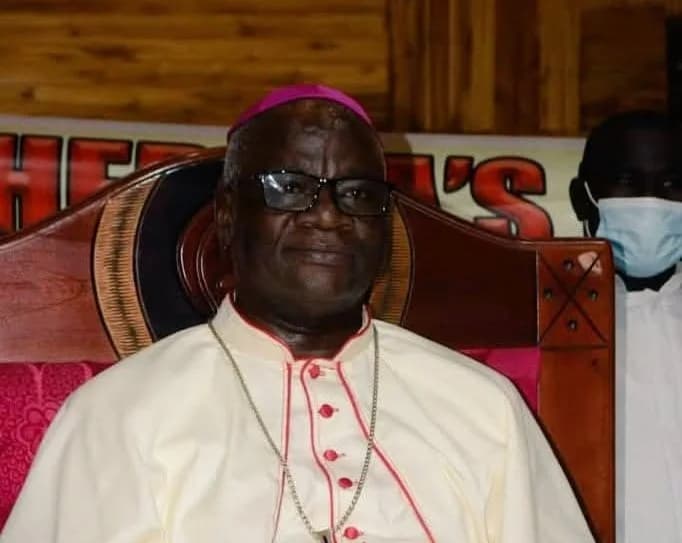
In the religious sphere, historic milestones and calls for social healing are shaping the community's spiritual life. The Methodist Church of Ghana made history by naming the Georgina Baiden Chapel at Wesley Towers after a living person, honoring her decades of leadership and service. Simultaneously, during the Chrism Mass at St Joseph Catholic Church in Diabene, Most Reverend Bishop John Baptist Attakruh of the Sekondi-Takoradi Diocese urged over 200 Catholic priests to act as "healers" for their parishioners. He specifically highlighted the hardships faced by the youth, such as unemployment, and urged the clergy to prioritize service and dedication to the spiritual and emotional needs of a 'broken world.'
The spirit of community support was further exemplified through widespread philanthropic efforts and advocacy for social inclusion. Access Bank Ghana PLC supported the Citi FM/Channel One TV Easter Orphan Project with significant food donations, while the Society for Assistance of Orphans and the Disabled (SAFOAD) partnered with the Turkish NGO HUDAI to provide relief during Ramadan. Advocacy for the marginalized also took center stage as autism advocate Young Phil Bertino inspired students at St. Peter’s Senior High School, urging the government to implement inclusive education policies. These collective actions from the state, religious institutions, and private sectors reflect a multi-faceted approach to addressing Ghana's socio-economic and health challenges.
This story touches markets covered on Anansi Intelligence ↗.
More from africa
Continue exploring similar stories


