••
Global Business Update: SoftBank Commits €75bn to French AI Infrastructure Amid Australian Agricultural Crisis
•3 min read•4 sources
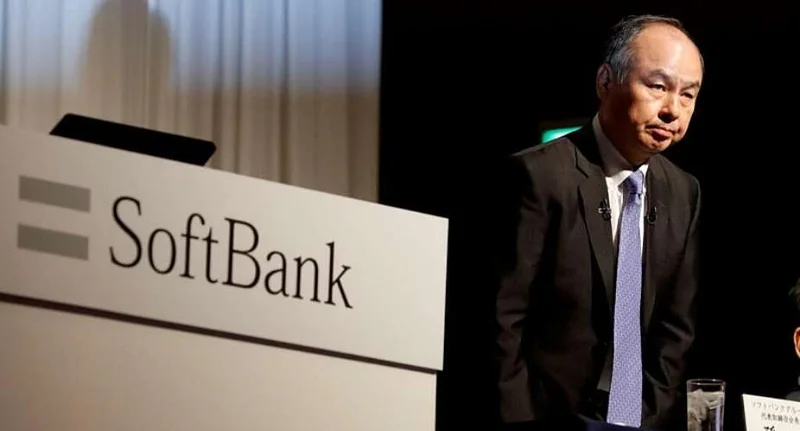
The global business landscape is currently navigating a period of stark contrasts, marked by massive technological investments in Europe and a burgeoning agricultural crisis in Australia. Japanese conglomerate SoftBank has announced a historic €75 billion investment into Artificial Intelligence (AI) infrastructure in France, a move aimed at positioning Europe as a central hub for high-tech development. Simultaneously, Australian farmers are struggling against a severe mouse plague that threatens the nation’s grain supply, adding further economic pressure to a sector already burdened by rising fuel and fertilizer costs due to geopolitical tensions. This dual reality highlights the diverse challenges and opportunities facing the global economy today. SoftBank founder Masayoshi Son’s commitment represents one of the largest ever investments in France’s technological sector. Of the total €75 billion, approximately €45 billion is specifically earmarked for the construction of advanced data centers in the Hauts-de-France region by 2031. This ambitious project, carried out in collaboration with Schneider Electric, aims to dramatically increase data center capacity from 1.5 gigawatts to a potential 5.0 gigawatts. This initiative is a major victory for President Emmanuel Macron’s strategy to enhance France’s appeal to global investors and secure a competitive edge in the rapidly evolving AI industry, marking a significant milestone for European digital sovereignty. In stark contrast to the high-tech expansion in Europe, the Australian agricultural sector is facing a biological and economic catastrophe. Farmers in Western and South Australia report mouse populations reaching unprecedented densities of up to 10,000 rodents per hectare. This plague has been fueled by a record-breaking harvest last year, which provided an abundance of food for the pests. The rodents are not only destroying vast fields of grain but are also invading homes and storage facilities, causing significant psychological and financial distress to farming communities already grappling with inflated operational costs. The situation is so dire that some farmers have described the environment as resembling a decaying body due to the sheer volume of pests and the smell of destruction. While these two situations reflect different facets of the global economy, both highlight the vulnerability of critical industries to external shocks—whether technological, environmental, or geopolitical. In Australia, recent regulatory approvals for more potent baits and the onset of colder winter weather offer a glimmer of hope for pest control and crop preservation. Meanwhile, the SoftBank investment in France sets a new benchmark for infrastructure development in the AI era. Both developments underscore the need for resilience and strategic planning as businesses navigate an increasingly complex and unpredictable global environment. As 2024 approaches, the outcomes of these two disparate events will likely influence investment trends in tech and the stability of global food supply chains.
This story touches markets covered on Anansi Intelligence ↗.
More from business
Continue exploring similar stories


