••
Ghanaian Musicians Demand Fair CRBT Royalties as 1xBet Concludes Major Consumer Promo
•3 min read•2 sources
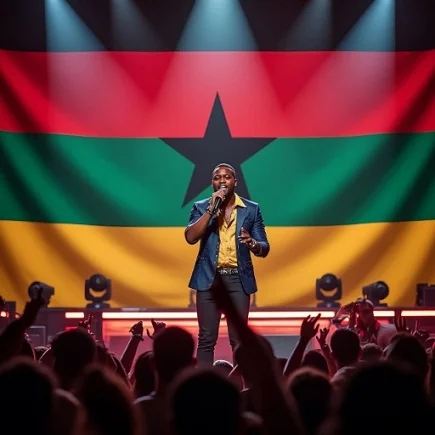
Ghana's digital and telecommunications sectors are currently navigating a complex landscape defined by systemic financial disputes in the creative arts and high-stakes consumer engagement in the gaming industry. At the forefront of these developments is a growing controversy surrounding the revenue-sharing model for Caller Ring Back Tones (CRBTs), where telecom companies are accused of exploiting local creators. Despite the widespread popularity of these musical tones, current industry practices allow telecommunications firms to retain approximately 70% of the total revenue generated. This lopsided arrangement has left many Ghanaian musicians with meager compensation, while songwriters—the essential architects of the music—are reportedly receiving no royalties at all. This financial disparity has sparked significant concern regarding the economic sustainability of the creative arts in Ghana. The Ghana Music Rights Organisation (GHAMRO) has been active in seeking legal redress, with court rulings confirming that telecom operators are indeed obligated to pay royalties for the use of copyrighted works. However, stakeholders report that compliance remains inconsistent and transparent accounting practices are lacking. This neglect not only undermines the livelihoods of individual artists but also threatens the broader health of the music industry. Experts argue that without immediate regulatory intervention and the enforcement of fair payment structures, the symbiotic relationship between the telecom and music sectors will continue to be exploitative rather than mutually beneficial. While the creative sector battles for fair wages, the digital betting industry continues to thrive through aggressive marketing and consumer rewards. 1xBet recently concluded its "Game On" promotion, a two-month campaign that ran from April 1 to May 31, aimed at boosting user loyalty through substantial incentives. The campaign offered Ghanaian players weekly cashback of up to 20% and various betting tickets, highlighting the significant capital being circulated within the digital gaming market. The culmination of this promotion was an award ceremony held on June 6 in Accra, where the brand recognized several high-performing participants. Among the notable winners was Rahman Habibur, who was awarded an iPhone 16, and Boamah-Kumi Ernest, who received a cash prize of 5,500 GHS. These incentives reflect the intense competition among digital service providers to capture and retain the attention of the Ghanaian public. The success of such promotions underscores a vibrant digital economy, yet it stands in stark contrast to the financial struggles of the musicians whose content often drives digital engagement. The juxtaposition of these two business developments illustrates the complexity of Ghana's modern economy. On one hand, there is a clear demand for digital content and services that can generate significant revenue and prizes; on the other, there is a critical need for structural reform to ensure that the primary creators of value are not left behind. As regulators and industry leaders move forward, the challenge will be to create an environment where corporate promotional success and fair intellectual property compensation can coexist, ensuring that Ghana's digital growth benefits all stakeholders in the value chain.
This story touches markets covered on Anansi Intelligence ↗.
More from business
Continue exploring similar stories


