••
Professor Kwasi Opoku-Amankwa Proposes Conversion of 160 Day Schools to Boarding to Resolve SHS Placement Crisis
•2 min read•2 sources
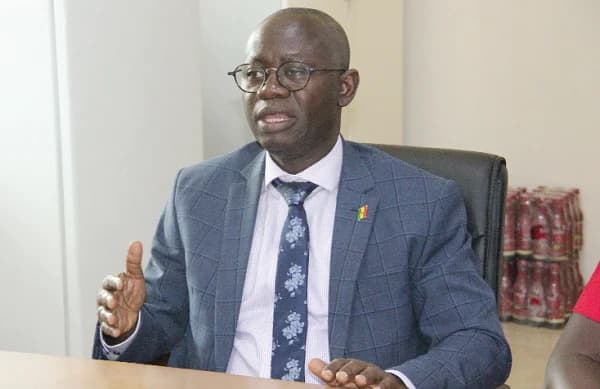
Professor Kwasi Opoku-Amankwa, the former Director-General of the Ghana Education Service (GES), has proposed the conversion of approximately 160 under-enrolled day senior high schools (SHSs) into boarding institutions. Speaking during a panel discussion on September 12, 2026, the former GES boss argued that this strategic shift would help alleviate the intense pressure on the nation's most popular schools while maximizing the utility of under-subscribed facilities. The proposal aims to address recurring placement challenges and ensure a more equitable distribution of students across the country's secondary education infrastructure by making lesser-known schools more attractive to parents.
In addition to the boarding school conversion, Professor Opoku-Amankwa advocated for the implementation of a 10-year national program specifically designed to upgrade under-resourced secondary schools. He emphasized that such a long-term roadmap is essential to ensure that schools currently perceived as lower-tier can achieve the high-quality standards expected by the public. To succeed, he stressed that this initiative requires a binding commitment from successive governments to ensure continuity in educational infrastructure development, shielding it from partisan political shifts.
Addressing the controversial double-track academic calendar, the former Director-General recommended its temporary retention for the foreseeable future. He cautioned that an immediate removal of the system could lead to a significant deficit in school placements, potentially leaving thousands of students without access to secondary education. By keeping the double-track system in place while the proposed 160 boarding conversions and infrastructure upgrades are executed, the government can manage current enrollment numbers without compromising student access.
The proposals have garnered support from various education stakeholders, who underscored the need for improved resource allocation and greater transparency in the school placement process. As Ghana continues to navigate the complexities of universal secondary education under the administration of President John Mahama, these recommendations highlight a growing consensus on the need for structural reforms. The successful integration of these plans could shift the focus from mere enrollment numbers to ensuring sustained academic quality and infrastructural equity across all regions of the country.
Related topic
Ghana Education Service (GES): Latest News Today →

