••
Global Oil Prices Stabilize Near $95 as Middle East Tensions and Strait of Hormuz Disruptions Drive Weekly Gains
•2 min read•1 source
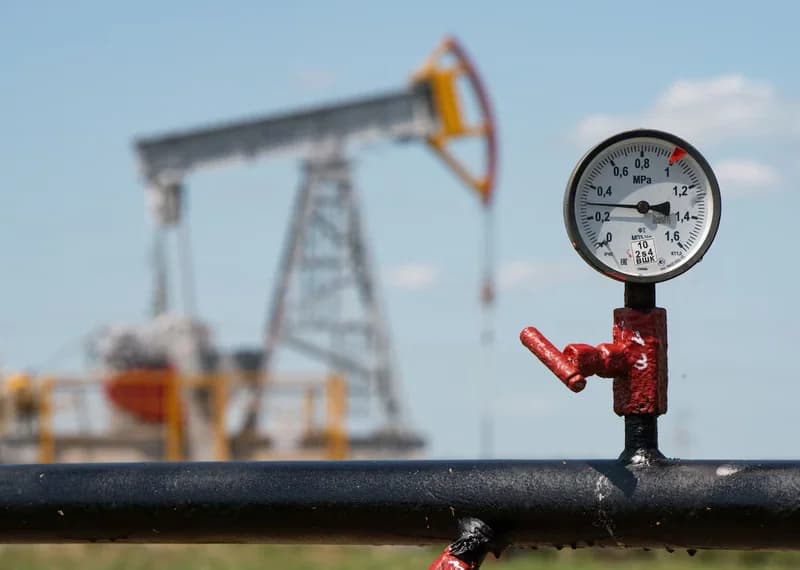
Global crude oil prices remained largely steady on Friday, reflecting a period of consolidation following significant volatility in international energy markets. Brent crude experienced a marginal decline of 0.22 percent to settle at $95.24 per barrel, while the U.S. West Texas Intermediate (WTI) saw a slight dip of 0.11 percent, closing at $92.94. Despite these minor daily fluctuations, both benchmarks are projected to achieve their first weekly gains in three weeks, bolstered by intensifying geopolitical risks and supply chain concerns in the Middle East.
The underlying support for oil prices stems from the escalating conflict involving Israel and Iran, which has cast a shadow over regional stability and vital energy corridors. Market participants are particularly concerned about restricted traffic flow through the Strait of Hormuz, a crucial maritime route for global oil shipments. The geopolitical situation has been further complicated by Hezbollah’s recent rejection of a ceasefire proposal. This development remains a significant obstacle to peace talks and continues to inject a high degree of uncertainty into the global pricing landscape.
Beyond the immediate conflict, supply-side fundamentals and demand forecasts are also contributing to the current market sentiment. Analysts have expressed growing concern over dwindling global oil inventories, warning that a continued decrease in stockpiles could trigger sharp price spikes in the coming months if demand remains robust. In its latest assessment, the Organization of the Petroleum Exporting Countries (OPEC) maintained its forecast for oil demand growth at 1.2 million barrels per day for the year, signaling that the global appetite for crude remains resilient despite the ongoing regional instability.
Looking ahead, the intersection of military conflict and economic forecasting suggests a complex path for the global oil industry. While the market is currently balancing between potential supply disruptions and stable demand outlooks, the lack of progress on a peace deal remains a primary driver of volatility. For investors and consumers in Ghana and beyond, the stability observed at the end of the week represents a cautious pause in a market that remains highly sensitive to developments in the Middle East and the operational integrity of key international shipping routes.
This story touches markets covered on Anansi Intelligence ↗.
More from business
Continue exploring similar stories


