••
Global Oil Prices Plummet Amid US-Iran Ceasefire as Ghana Bolsters Fuel Reserves and Power Infrastructure
•3 min read•21 sources
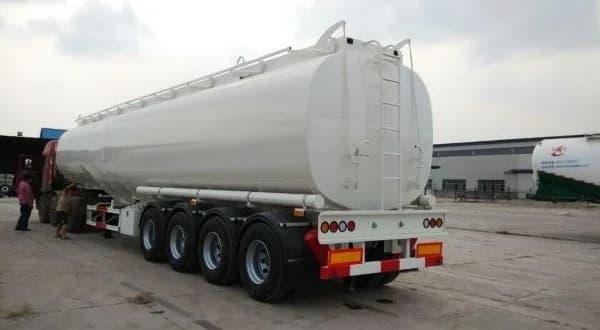
Global crude oil prices have dropped sharply below the $100 mark, with Brent crude falling to approximately $94.43 and WTI to $96.82 per barrel. This significant decline follows a two-week ceasefire agreement between the United States and Iran, which has facilitated the reopening of the Strait of Hormuz—a critical maritime corridor for 20% of the world's oil supply. In Ghana, the National Petroleum Authority (NPA) has reported a corresponding increase in the national petroleum stock cover, which now stands at seven weeks. Despite this improved supply outlook, the NPA and industry analysts warn of ongoing market volatility, prompting President John Dramani Mahama to convene an emergency cabinet meeting to discuss potential relief measures for consumers currently facing high fuel costs.
While global trends suggest a potential reduction in local fuel prices to as low as GHS 10 per litre, industry experts are urging caution. The Chamber of Oil Marketing Companies (COMAC) and the Chamber of Petroleum Consumers (COPEC) have warned that immediate relief at the pump is unlikely. COMAC CEO Dr. Riverson Oppong emphasized that local pricing is governed by complex cycles and domestic factors, while COPEC’s Duncan Amoah noted that high plant prices and exchange rate pressures could even lead to short-term increases of 10-17% for petrol and diesel. These conflicting pressures highlight a significant lag between international market shifts and the prices paid by Ghanaian motorists.
Parallel to the developments in the petroleum sector, the Electricity Company of Ghana (ECG) has launched a GH"240 million transformer upgrade program to stabilize the national grid. The project targets major substations in Accra, including areas such as Adenta, Lashibi, and Teshie-Nungua, aiming to increase capacity and reduce frequent outages. This initiative has been met with praise from the Association of Ghana Industries (AGI), particularly for efforts to rehabilitate transmission lines in the Volta and Oti Regions. AGI Chairman Dela Gbeve noted that a stable power supply is critical for the survival of small and medium-sized enterprises which have historically struggled with power fluctuations.
To ensure long-term stability and safety within the energy sector, the NPA has also introduced stricter registration requirements for petroleum tankers. CEO Godwin Edudzi Tameklo announced that these reforms, launched during Safety Week 2026, are designed to reduce road accidents and curb fuel siphoning by enforcing more rigorous operational standards. As Ghana navigates these domestic reforms, the broader regional energy landscape is also shifting, evidenced by Eni’s discovery of 2 trillion cubic feet of gas offshore Egypt. Together, these developments signal a period of significant transition for Ghana’s energy economy, balancing global geopolitical relief with necessary domestic infrastructure and regulatory overhauls.
This story touches markets covered on Anansi Intelligence ↗.
Live rates
Dollar to cedi rate →More from business
Continue exploring similar stories

