••
High Feed Costs Hamper 'Nkoko nkitinkitin' Poultry Initiative as Beneficiaries Resort to Personal Consumption
•2 min read•1 source
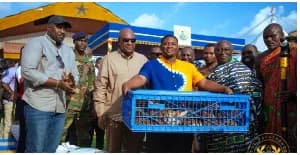
The 'Nkoko nkitinkitin' poultry initiative, a government-led program designed to boost local poultry production and provide economic support to farmers, is facing significant hurdles due to the escalating costs of animal feed. Reports from beneficiaries indicate that the high financial burden of maintaining the birds has undermined the program's commercial goals, forcing some participants to consume the poultry rather than sell it for profit. This development highlights a critical gap between the distribution of resources and the long-term sustainability of agricultural interventions in the current economic climate, where operational costs often outpace potential returns.
One beneficiary, identified as Enyo, shared her experience during a recent broadcast on Rainbow Radio’s Weekend Morning Show, shedding light on the practical challenges on the ground. She explained that while her group successfully received the chicks through the initiative, the subsequent costs associated with feed and general maintenance were prohibitively high. According to Enyo, the group found it increasingly difficult to keep up with the expenses required to raise the birds to a marketable size. Consequently, instead of selling the matured birds to generate income as originally intended, the group was compelled to slaughter them for their own consumption to avoid further financial losses.
The situation described by Enyo serves as a stark warning regarding the sustainability of government-sponsored agricultural programs that do not account for the volatility of input costs. For the 'Nkoko nkitinkitin' initiative to achieve its intended impact of strengthening the poultry sector and enhancing food security, industry analysts suggest that future phases must include subsidized feed or better financial support systems. Without addressing these underlying economic pressures, such initiatives risk becoming temporary relief measures rather than sustainable pathways to commercial farming and long-term economic empowerment for Ghanaian farmers.
This story touches markets covered on Anansi Intelligence ↗.
More from business
Continue exploring similar stories


