••
Ghana National Digest: Security Tensions in Nzema East, Infrastructure Shifts in Kasoa, and Educational Strides Amidst Resource Gaps
•3 min read•8 sources
Significant security and social tensions have emerged across several regions in Ghana, most notably in the Nzema East Municipality and Kasoa. In Gwira Ampansie, tension escalated following the alleged shooting of Mensah Ango, the brother of a local chief, by armed men linked to illegal mining operations. The incident occurred during negotiations with the PRP mining company, sparking threats of retaliation from local youth. While the Municipal Chief Executive confirmed the arrest of six individuals, including three Chinese nationals, local leaders have criticized the government for perceived inaction against illegal miners. Meanwhile, in Kasoa, the Awutu Senya East Municipal Assembly demolished several shops at the New Market to clear land for a 24-hour Economy Market Centre. The move sparked outrage among traders who claim the demolition violated existing agreements and left many without compensation or relocation plans. Authorities, however, maintain the operation was a necessary step for national development initiatives.
In the education sector, Ghana is witnessing a contrast between infrastructural progress and critical staffing shortages. In the Ahafo Region, the Asunafo North Municipal Cooperative Cocoa Farmers and Marketing Union, along with partners like the Chocolonely Foundation, unveiled a modern classroom block at Edwenase M/A Basic School. The facility, equipped with ICT tools and climate control, aims to improve learning environments and reduce child labor. Conversely, the Ghana Education Service in the Asutifi North District has raised an alarm over a deficit of 300 teachers. Director Naomi Asantewaa emphasized that while digital resources and computers are being donated by officials like MP Ebenezer Kwaku Addo, the lack of qualified personnel threatens to undermine these technological gains. Additionally, in Accra, stakeholders marked the International Day of the Boy Child, with education directors calling for increased mental health and mentoring support to ensure young boys grow into responsible contributors to society.
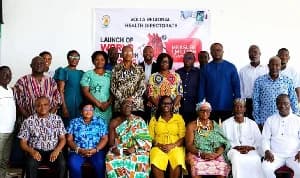
Infrastructure and public health remain at the forefront of the national agenda as agencies move to secure essential services. Ghana Water Limited (GWL) has announced plans for a comprehensive dredging project at the Owabi and Barekese dams in the Ashanti Region. The dams are currently heavily impaired by siltation—75% and 40% respectively—as well as plastic pollution, which has significantly hindered water production for millions. GWL is currently awaiting funding approval from the Ministry of Finance to restore these vital water sources. In the Volta Region, the Regional Health Directorate has launched a World Hypertension Day campaign under the "Measure One Million" initiative. Despite a target to screen over 51,000 adults for the "silent killer," health officials noted that only 6,000 had been reached by mid-May, prompting a renewed call for public participation and community engagement to combat non-communicable diseases.
These collective developments highlight the complex landscape of Ghana's current growth trajectory, where community-driven successes in education and public health are often challenged by systemic resource gaps and environmental degradation. The incidents in Nzema East and Kasoa underscore the ongoing friction between large-scale economic projects and local community rights. As the government moves forward with initiatives like the 24-hour economy and dam restoration, the effectiveness of these interventions will likely depend on the state's ability to balance rapid development with security, staffing needs in rural schools, and the maintenance of critical utility infrastructure. For now, the focus remains on restoring order in mining districts and scaling up health and educational support across the country's diverse regions.
This story touches markets covered on Anansi Intelligence ↗.
Related topic
Ghana Education Service (GES): Latest News Today →More from africa
Continue exploring similar stories


