••
Ayetoro and Azizape Communities Face Existential Threat as Rising Sea Levels Submerge West African Coastlines
•2 min read•2 sources
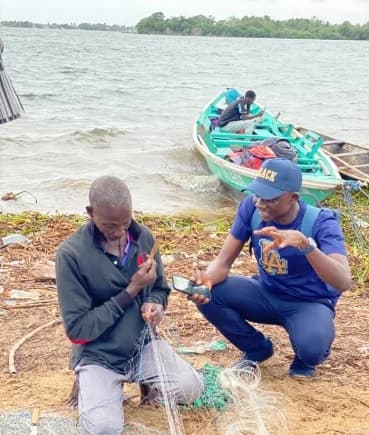
Coastal communities across West Africa are grappling with an existential crisis as rising sea levels and intensified Atlantic tides systematically reclaim land and livelihoods. From the shores of Azizape in Ghana to the historic town of Ayetoro in Nigeria, the encroaching ocean has transformed once-thriving fishing hubs into zones of persistent displacement. Residents who have lived by the sea for generations now find themselves in a desperate cycle of rebuilding, only to see their homes and infrastructure swallowed by the water months or years later. In Ayetoro, a coastal town in southern Nigeria founded in 1947, the situation has reached a critical point with the community reportedly losing an average of 15 meters of its coastline annually since 1987. King Oluwambe Ojagbohunmi and his subjects describe a harrowing reality where vital social services, including schools and health centers, have been repeatedly relocated inland. Despite these efforts, the ocean continues to advance, leaving many residents feeling like refugees in their own community as the loss of land causes a total disruption of the town's historical and socioeconomic fabric. Similarly, in Ghana’s Azizape community, the environmental toll is devastating the local fishing industry and threatening the very way of life for residents like 61-year-old Noah Aggrey. The crisis significantly impacts women, who are primarily responsible for fish processing; they report that declining catch yields are undermining their economic stability. In a desperate bid for survival, some community members have turned to harvesting mangrove ecosystems for short-term income, a practice that unfortunately destroys natural barriers and exacerbates the community's vulnerability to storm surges. Experts and local leaders are calling for urgent interventions that move beyond traditional engineering solutions. While sea defense walls are often proposed, there is a growing consensus that natural solutions, such as mangrove restoration, must be integrated with infrastructure projects to combat erosion effectively. Furthermore, both communities emphasize the necessity of government support to facilitate sustainable livelihood diversification. As the Atlantic continues its inland march, the survival of West Africa’s coastal heritage depends on a coordinated response that addresses both the immediate humanitarian needs of the displaced and the long-term realities of a changing climate.
This story touches markets covered on Anansi Intelligence ↗.
More from africa
Continue exploring similar stories


