••
NHIA Boosts Tariffs by 50% as Ada West Proposes Children’s Hospital and Wa Seeks Urgent Infrastructure Support
•3 min read•6 sources
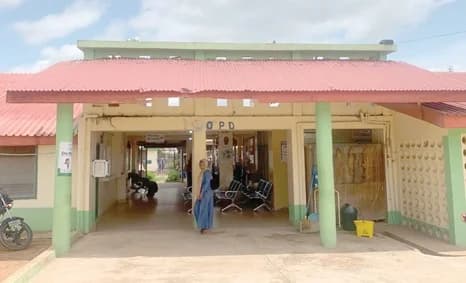
The National Health Insurance Authority (NHIA) has announced a significant 50% increase in service tariffs for healthcare providers, marking a major shift in the financing of Ghana's medical sector. This phased implementation, which began in August 2026 and is expected to be fully operational by October, aims to improve provider reimbursement and ensure the long-term sustainability of the National Health Insurance Scheme (NHIS). To combat financial leakages estimated at up to GH¢1 billion annually, the NHIA is also piloting a digital verification system known as the One-Time Attendance Code (OTAC) to confirm patient visits and minimize fraudulent claims. This reform comes at a critical time as healthcare facilities across the country report varying degrees of infrastructure and equipment needs. In the Greater Accra and Volta regions, the Ada West District Assembly is moving forward with an ambitious proposal to establish a specialist children's hospital. District Chief Executive Mr. Modjifa Tanihu J.J.F. Mills-Nkrumah emphasized that the project, intended to serve the eastern parts of these regions, will be developed under a Build, Operate, and Transfer (BOT) model. Mr. Mills-Nkrumah noted that the true measure of development lies in the quality of healthcare available to the people, rather than just physical roads. Beyond the hospital, the Assembly is also prioritizing the upgrade of Community-based Health Planning and Services (CHPS) compounds and improving school sanitation to bolster overall public health. While Ada West looks toward expansion, the Wa Municipal Hospital in the Upper West Region is facing a severe crisis that highlights the urgent need for infrastructure rehabilitation. Medical Superintendent Dr. Abukari Zakari recently appealed for support to address deteriorating facilities, outdated equipment, and significant inherited debts. Despite being downgraded several years ago, the hospital continues to provide vital specialist services to patients from both the Upper West and Savannah regions. A particular area of concern is the lack of essential equipment for premature baby care, prompting traditional leaders to join the call for government intervention. These developments illustrate the complex challenges facing the administration of President John Mahama. While national-level reforms by the NHIA seek to stabilize the financial foundation of the health sector, local facilities like those in Wa and Ada West demonstrate the ongoing struggle to balance basic maintenance with the need for specialized medical services. Moving forward, the success of these initiatives will depend on the effective integration of digital oversight, timely tariff adjustments, and targeted investment in both regional centers and district-level specialist facilities.
This story touches markets covered on Anansi Intelligence ↗.
Related topic
John Mahama: Latest News & Updates →More from health
Continue exploring similar stories


