••
DVLA Chairman George Spencer Quaye Proposes Strict New Safety Measures as Ghana Faces Alarming Rise in Road Fatalities
•2 min read•2 sources
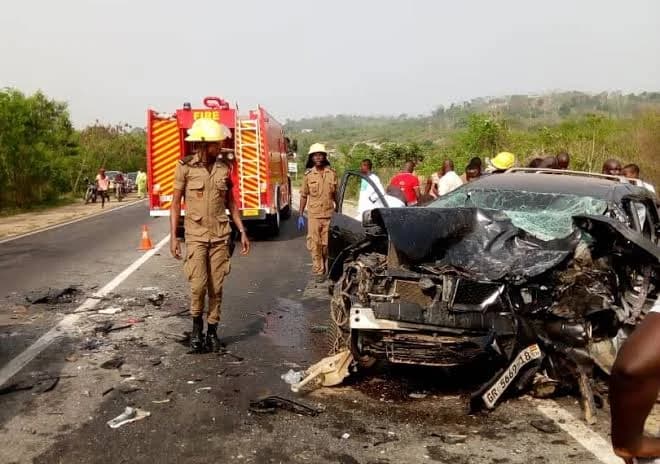
Ghana is facing a severe public health crisis on its roads, with newly released data showing a sharp rise in traffic-related fatalities and injuries. In 2025 alone, the country recorded 14,743 road traffic crashes, resulting in 2,949 deaths and 16,714 injuries. The situation has shown no signs of improvement in early 2026; by April, 4,899 crashes had already claimed 1,009 lives. Against this backdrop, George Spencer Quaye, Chairman of the Driver and Vehicle Licensing Authority (DVLA), has called for an urgent national conversation to confront the "national anthem" of sirens echoing across the country’s highways.
The causes of this escalating crisis are multifaceted, ranging from systemic failures to individual negligence. Chairman Quaye identified deteriorating road infrastructure and corrupt enforcement practices as significant systemic contributors to the high accident rates. However, he emphasized that human behavior remains a central factor, with reckless driving and a general disregard for traffic regulations exacerbating the danger. Quaye noted that unless these fundamental issues are addressed through both institutional reform and individual accountability, the toll on Ghanaian lives will continue to mount.
To combat these trends, the DVLA is rolling out a series of technology-driven initiatives designed to enforce discipline and transparency. These include the introduction of RFID-enabled number plates to improve vehicle tracking, a comprehensive driver demerit point system to penalize repeat offenders, and a risk-based insurance model that links premiums to driver behavior. Additionally, the Authority is enhancing roadworthiness certification processes to ensure that only safe vehicles remain in operation. These measures aim to modernize Ghana’s transport oversight and create a more robust framework for road safety.
Ultimately, Chairman Quaye stressed that technology and legislation are merely tools that cannot succeed in a vacuum. The long-term solution lies in a fundamental shift in the attitudes of all road users. He asserted that road safety must be viewed as a shared national responsibility, requiring a collective commitment to behavioral change. As the government and the DVLA move forward with these reforms, the success of the intervention will depend on whether Ghanaian drivers and pedestrians alike are willing to prioritize safety over convenience to end the preventable loss of life on the nation's roads.
This story touches markets covered on Anansi Intelligence ↗.
More from health
Continue exploring similar stories


