••
Ghanaian Health Experts Highlight Severe Occupational Risks for Firefighters and Rising Drug Resistance in Elderly Care
•2 min read•2 sources
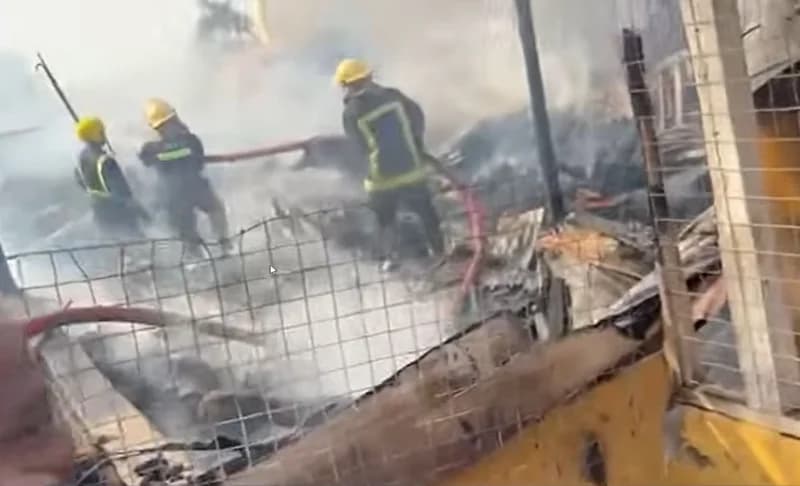
Ghana's healthcare landscape is currently grappling with critical challenges on two distinct fronts: the long-term occupational health risks of first responders and a growing crisis of antimicrobial resistance (AMR) among the elderly population. Recent reports and scientific studies have brought to light the precarious conditions under which Ghana National Fire Service (GNFS) officers operate, alongside new data from the Council for Scientific and Industrial Research (CSIR) revealing a high prevalence of multidrug-resistant organisms in care facilities. These issues highlight the urgent need for systemic reforms in both workplace safety and clinical surveillance.
Station Officer Abubakar Mohammed, a veteran of fifteen years, has emerged as a vocal advocate for his colleagues, highlighting the "hidden health toll" of smoke inhalation and chemical exposure. Despite their role as lifesavers, many firefighters in Ghana continue to battle blazes with outdated or improvised gear, raising fears of chronic respiratory illnesses and other long-term ailments. While the government has recently proposed new insurance schemes and equipment upgrades, officers like Mohammed argue that dedicated protective gear and immediate, comprehensive health coverage are essential to ensure they do not retire into a life of debilitating sickness caused by years of hazardous service.
Simultaneously, clinical researchers are raising alarms regarding the vulnerability of Ghana’s aging population to superbugs. A three-year study conducted by Emmanuel Armah of the CSIR-Water Research Institute, presented at the 2026 Mid-Year Review, found a significant presence of drug-resistant urinary pathogens among elderly residents in the Greater Accra Region. Surveillance of approximately 200 participants aged 50 and above indicates that care homes may be serving as reservoirs for multidrug-resistant organisms (MDROs). The findings underscore a dire need for stricter hygiene protocols and a shift away from the empirical use of antibiotics without prior diagnostic testing, which exacerbates the threat of AMR.
These dual concerns underscore a broader necessity for targeted health interventions and policy reform under the current administration. For firefighters, the focus remains on preventative safety and robust occupational health support to mitigate the impact of smoke exposure. For the elderly, the emphasis must be on antimicrobial stewardship and enhanced infection control within residential care settings. As Ghana continues to modernize its health sector, addressing these specific vulnerabilities will be crucial to safeguarding both the nation’s first responders and its most senior citizens.
This story touches markets covered on Anansi Intelligence ↗.
Related topic
Ghana Fire Service Recruitment: Latest News Today →More from health
Continue exploring similar stories


