••
Ghana’s Political Landscape Shifts: NDC Surges in Polls as Economic Challenges and Internal NPP Dynamics Intensify
•3 min read•14 sources
Recent tracking polls from March 2026 indicate a significant shift in Ghana’s political landscape, with the National Democratic Congress (NDC) gaining substantial ground over the New Patriotic Party (NPP). According to Global Info Analytics, the NDC’s support has climbed to 46%, while the NPP has seen a decline to 25%. This shift is particularly pronounced in critical swing regions like Greater Accra, where the NDC enjoys 58% support compared to the NPP’s 22%. Observers and academics, including Prof. Ezekiel Nortey of the University of Ghana, have described these findings as a wake-up call, urging the NPP to confront internal divisions, perceptions of corruption, and a growing loss of trust among the electorate.
Linking the political shift to economic realities, former Finance Minister Seth Terkper has highlighted how debt distress and IMF program restrictions inherited by the current administration have hampered job creation. Terkper noted that the government was forced to prioritize economic stabilization over real-sector investments after being shut out of bond markets due to debt defaults. This economic strain is mirrored in the labor sector, where the Fair Wages and Salaries Commission (FWSC) reported that strikes cost the nation GHC 1.47 billion in 2024 and GHC 635 million in 2025. FWSC CEO Dr. George Smith Graham emphasized the need for an Independent Emoluments Commission to address pay disparities within the Single Spine Pay Structure that continue to trigger industrial actions.
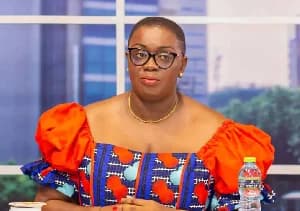
Internal NPP dynamics are also in flux as the party prepares for its chairmanship race. Yaw Acheampong Boafo, former President of the Ghana Bar Association, has publicly backed candidates like Boakye Agyarko and Paul Afoko, stressing the importance of balancing party leadership with the flagbearer to prevent internal weakening. Amidst this competition, local development remains a key talking point; the Dormaahene, Osagyefo Oseadeeyo Dr. Agyemang Badu II, recently commended the previous Akufo-Addo administration for projects like Agenda 111 while calling on President Mahama to ensure their completion. However, partisan friction remains high, exemplified by NPP communicator Ellen Ama Daaku’s recent public claims that government-led reductions in cocoa prices have directly impacted her personal financial stability.
Broadening the narrative, veteran journalist and Pan-Africanist Kwesi Pratt Jnr has provided historical context to Ghana’s political evolution, revealing new details about the 1966 overthrow of Dr. Kwame Nkrumah. Pratt argued that the coup was motivated more by Nkrumah’s efforts to foster African political consciousness than by accusations of dictatorship. Reflecting on his own 18 imprisonments for his activism, Pratt’s insights serve as a reminder of the long-standing tensions between governance and civil liberties in Ghana. As the country moves toward the next electoral cycle, the combination of polling data, economic recovery efforts, and historical reflections underscores a pivotal moment for both major political parties.
This story touches markets covered on Anansi Intelligence ↗.
Related topic
NDC (National Democratic Congress): Latest News →More from politics
Continue exploring similar stories


